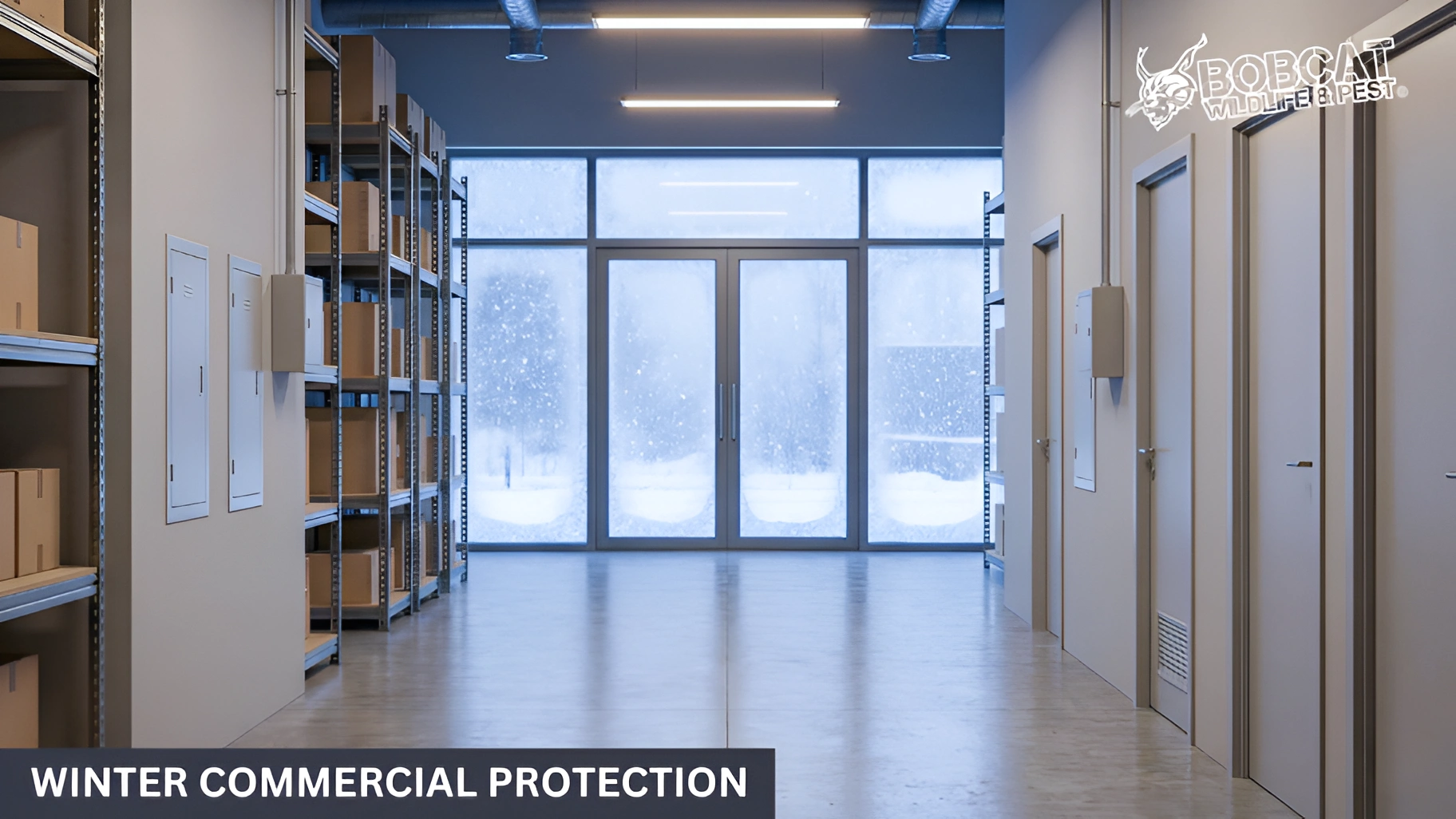
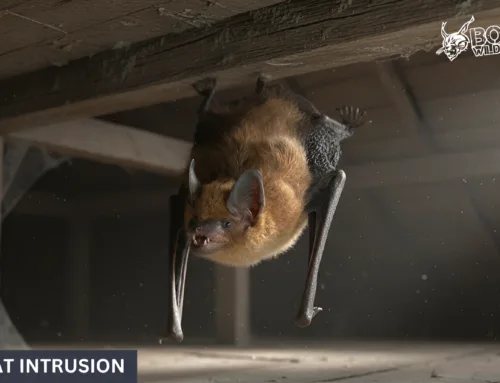
Winter in Iowa does not slow pest activity down. It shifts it indoors.
This seasonal change is why winter commercial pest control becomes a planning priority for Iowa businesses, not something to address only after problems appear.
For business owners and property managers, understanding this shift is essential.
Knowing what winter brings and why early attention matters for pest control for businesses helps prevent disruptions and costly issues later in the season.
What This Article Covers:
Why Winter Creates Higher Pest Risks for Iowa Businesses
What changes in winter is not pest activity, but how concentrated and predictable that activity becomes inside commercial buildings.
According to Gene Spaulding, Owner of Bobcat Wildlife & Pest Management, winter is when pest movement becomes more focused, exposing weaknesses that often go unnoticed the rest of the year.
In Iowa commercial properties, winter risk increases because:
Indoor conditions stay consistent while outdoor conditions fluctuate
Heated interiors create stable environments that attract pests during prolonged cold snaps and sudden temperature drops.
Commercial structures have fixed access points that cannot be fully shut down
Service doors, loading areas, roof lines, and utility penetrations remain active even in winter operations.
Freeze–thaw cycles accelerate pest movement instead of spreading it out
Rapid weather changes force pests to relocate quickly, increasing the chance of indoor entry over a short period.
This is why winter becomes a critical season for pest control for businesses. The risk comes from concentrated activity inside buildings, not from increased pest populations overall.
Common Winter Pests Found in Iowa Commercial Buildings
Once pest activity becomes concentrated indoors, certain pests show up more consistently in commercial environments.
In pest control for commercial buildings, these are the types of activity business owners most often notice during winter, even when there were no obvious issues earlier in the year.
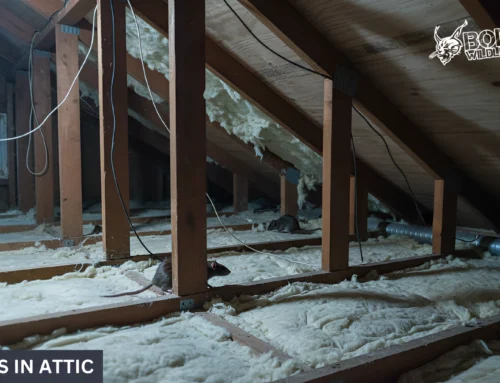
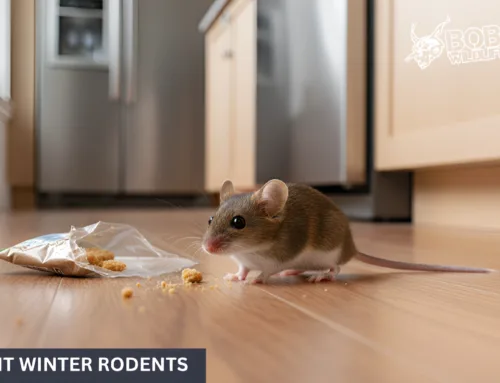
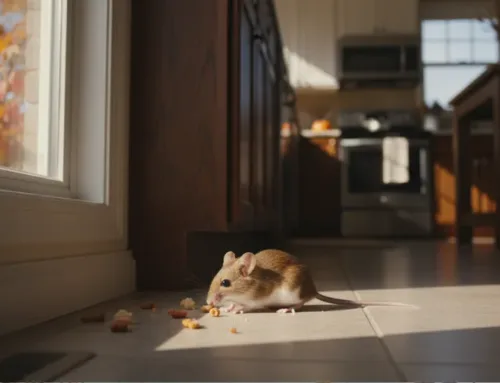
Rodents are commonly encountered in commercial spaces because larger buildings provide more undisturbed areas to nest and move.
They favor places that are rarely accessed during daily operations
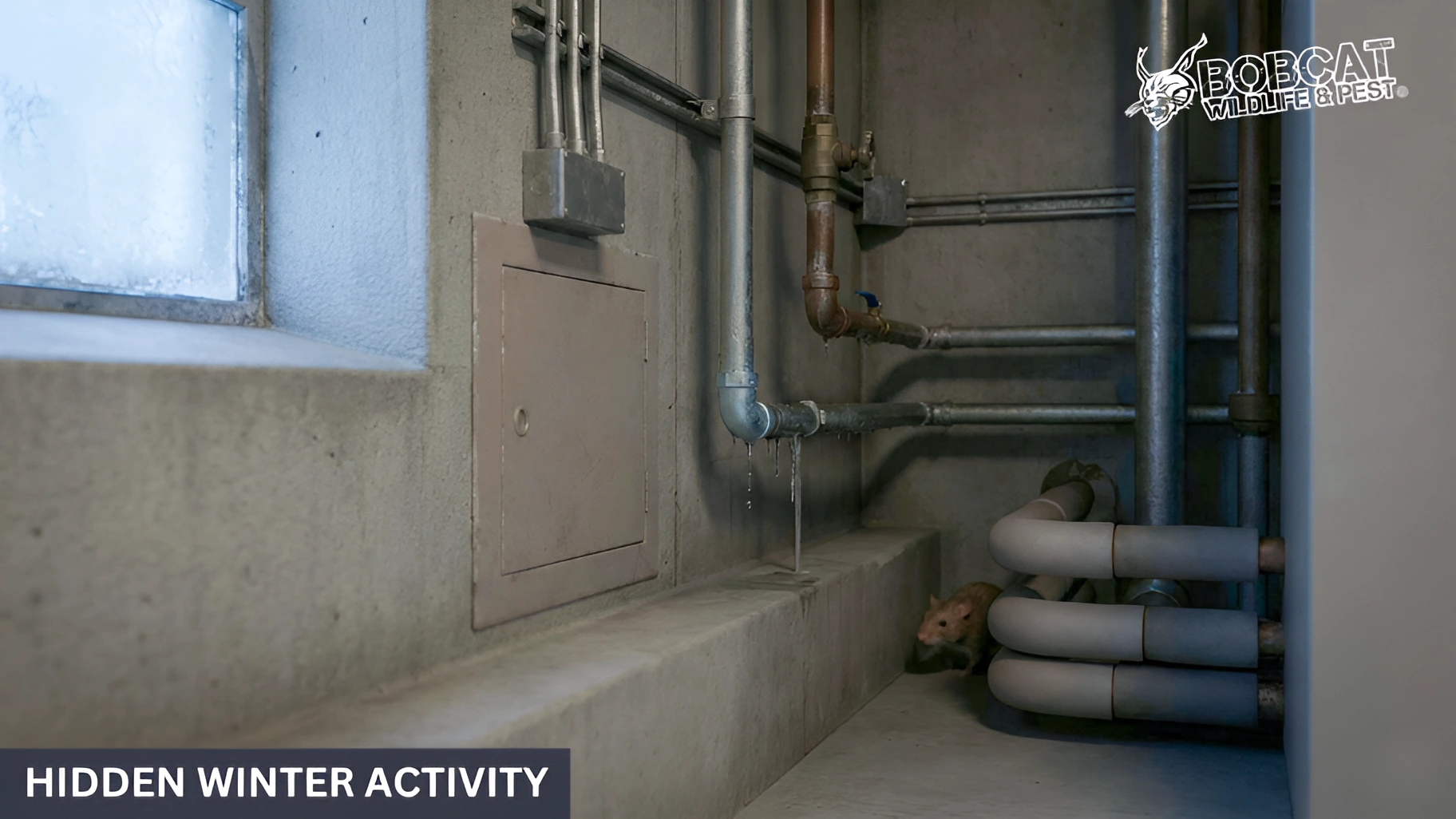
Wall voids, ceiling spaces, storage areas, and utility chases are typical hiding spots during winter
Activity is often noticed indirectly rather than through sightings
This makes rodents one of the most frequently identified winter pests in commercial settings.
Unlike seasonal pests, cockroaches and ants can remain active indoors year-round, including throughout winter.
Warm interior spaces allow infestations to continue uninterrupted
Activity often stays localized to hidden areas rather than open floors
Early signs are easy to miss because movement happens outside normal sightlines
In commercial buildings, this type of pest activity often goes unnoticed until patterns repeat.
Seasonal Invaders Customers Notice
Some pests do not live or reproduce indoors but still appear inside during winter.
Spiders, flies, and stink bugs are the most commonly noticed
They tend to show up near windows, entrances, and visible interior walls
Even limited activity can attract attention from customers or staff
In these cases, visibility alone becomes the issue, regardless of how small the presence may be.
How Winter Pest Problems Can Disrupt Your Business
Winter pest issues rarely disrupt a business all at once. They tend to build quietly, often in areas that see less attention during colder months.
As Gene Spaulding has observed in Iowa commercial properties, winter problems are usually discovered only after they have already started affecting operations.
In commercial environments, winter pest activity commonly leads to disruption in a few key ways:
Health and safety concerns surface gradually
Issues often come to light during routine checks, audits, or customer interactions rather than as obvious incidents, especially when activity stays contained indoors.
Property and inventory risks remain out of sight
Back rooms, storage areas, and mechanical spaces tend to see less traffic in winter, allowing problems to develop without immediate warning signs.
Customer perception shifts quickly
Even limited visibility can change how a business is viewed. Gene notes that customers are typically less tolerant of pest sightings in winter, when they expect indoor spaces to be sealed and well-maintained.
Why winter infestations escalate quietly
Fewer inspections, seasonal staffing changes, and the assumption that cold weather limits pest activity allow issues to progress unnoticed until they reach visible or operational areas.
This is why winter often becomes a challenging period for pest control for businesses. The disruption is rarely dramatic at first, but it can compound quickly once early warning signs are missed.
Why Many Businesses Miss Early Winter Pest Warning Signs
Early winter pest issues are often overlooked not because businesses are inattentive, but because the signs do not appear where people expect to see them.
In commercial spaces, winter activity tends to stay out of sight during its earliest stages.
A few patterns consistently contribute to this:
Pests nest and move in areas that are rarely checked
Wall voids, ceiling spaces, mechanical rooms, and storage areas receive less attention during daily operations, especially in colder months.
Routine inspections happen less frequently in winter
Staffing changes, weather disruptions, and operational priorities often reduce how often non-public areas are reviewed.
Common assumptions delay awareness
Many businesses assume winter limits pest activity, which can delay recognition when subtle signs appear.
Together, these factors make winter pest activity easy to miss until it moves into more visible or active parts of the building.
How Businesses Can Reduce Winter Pest Risks Before They Escalate
Reducing winter pest risk starts with how a business approaches seasonal planning, not with reacting to visible problems.
In commercial pest control, the most effective risk reduction happens before activity becomes obvious inside occupied spaces.
At a high level, winter risk reduction focuses on:
- 1
Understanding where winter vulnerabilities typically exist
Commercial buildings often have consistent pressure points such as service areas, utility connections, and low-traffic interior spaces that deserve seasonal attention.
- 2
Prioritizing awareness over reaction
Businesses that plan for winter conditions tend to spot changes earlier than those that wait for clear signs of activity.
- 3
Treating winter as a continuation, not a pause
Pest pressure does not stop when temperatures drop. Planning for pest control for commercial buildings during winter helps prevent issues from becoming more involved later in the season.
This approach is not about immediate fixes or step-by-step actions.
It is about recognizing winter as a period where proactive planning consistently outperforms reactive responses.
When Professional Commercial Pest Control Makes Sense
There is a point during winter when pest concerns shift from awareness to oversight.
According to Gene Spaulding, that moment usually comes when activity becomes harder to track rather than more visible.
In Iowa commercial properties, professional commercial pest control services tend to make sense when:
Signs of activity repeat without a clear pattern
Issues may appear, disappear, and then return in nearby areas, making it difficult for internal teams to understand what is actually happening.
Building complexity limits internal visibility
Commercial spaces operate across multiple zones with different schedules, which makes it harder to monitor winter activity consistently without structured oversight.
Winter conditions compress activity into fewer areas for longer periods
Instead of short-term movement, cold weather keeps pest activity concentrated indoors, often requiring continuity rather than isolated responses.
Gene often notes that winter is less about reacting to a single issue and more about maintaining awareness across the building.
That is where a complete pest control approach becomes relevant, not as a reaction, but as a way to keep winter conditions from creating blind spots.
The decision to bring in professional oversight is rarely about urgency. It is about recognizing when winter conditions have made pest activity harder to manage internally.
Frequently Asked Questions About Winter Commercial Pest Control
Pest problems feel worse in winter because activity becomes compressed into fewer indoor spaces, not because there are suddenly more pests.
According to Gene Spaulding, winter is when pest activity becomes easier to overlook but harder to control once it gains momentum.
In commercial buildings, winter conditions create a few key dynamics:
- Indoor environments stay consistent while outdoor conditions fluctuate
- Activity concentrates in areas that staff do not check daily
- Small issues feel larger once they surface in customer-facing spaces
This combination makes winter pest activity feel more disruptive, even when it started quietly weeks earlier.
Risk in winter is less about industry type and more about how a building operates.
From Gene’s experience working with Iowa businesses, winter issues are more common in properties that have:
- Multiple access points that stay in use year-round
- Storage, back rooms, or mechanical areas with limited visibility
- Regular deliveries or shared walls with other tenants
This is why winter pest issues are often reported in:
- Warehouses and distribution centers
- Restaurants and food-service operations
- Retail spaces with stockrooms
- Office buildings with shared utilities
The common factor is building complexity, not business size.
Yes. Indoor pest activity does not follow outdoor weather patterns.
Heated commercial buildings create stable conditions that allow pests to remain active throughout winter, even during extended cold spells.
Gene often notes that indoor winter activity:
- Moves less, but lasts longer
- Becomes more predictable over time
- Stays hidden in structural areas rather than open spaces
This is why winter activity is often discovered later than expected. The pests never left; they simply stayed out of sight.
Rodents are one of the most commonly reported winter pest concerns, but not because they are always visible.
In commercial buildings, rodent activity is often identified through patterns, not sightings.
Based on what Gene sees in Iowa properties:
- Rodents tend to stay within walls, ceilings, and storage zones
- Activity often repeats in the same general areas
- Businesses notice signs long before they see an animal
This makes rodents particularly challenging in winter, when activity remains contained and detection depends on awareness rather than visibility.
Commercial buildings are rarely sealed environments, even during winter.
Gene points out that most winter entries do not happen through main doors.
Instead, access typically occurs through:
- Utility lines and service penetrations
- Roof connections and shared walls
- Loading areas that remain operational
- Older structural seams exposed by freeze–thaw cycles
Even when doors stay closed more often, normal operations still create opportunities for pests to enter and remain inside once winter conditions settle in.
Early winter pest activity rarely looks dramatic.
It usually shows up as small, repeatable irregularities rather than obvious events.
From Gene’s experience, early warning signs often include:
- The same area triggering concern more than once, even if weeks apart
- Subtle changes noticed by maintenance or cleaning staff
- Isolated findings that seem unrelated at first
What makes winter tricky is that these signs often appear in non-public spaces, which delays recognition until patterns become clearer.
Winter infestations are typically discovered late because normal visibility decreases at the same time pest activity becomes more contained indoors.
Common reasons Gene sees include:
- Fewer routine walk-throughs in back-of-house areas
- Less traffic in storage, mechanical, and utility spaces
- A false sense of security caused by cold outdoor temperatures
By the time activity reaches visible areas, it has often been present longer than expected.
Yes. Even limited indoor pest activity can raise concerns during inspections, audits, or compliance reviews, especially in regulated environments.
Gene notes that winter issues become problematic when:
- Activity is undocumented or inconsistent
- There is no clear record of monitoring or oversight
- Findings appear suddenly during scheduled inspections
Because winter activity is quieter, businesses may not realize there is an issue until it intersects with compliance requirements.
It is very different. Winter pest control for businesses focuses more on scale, consistency, and coordination rather than isolated issues.
Commercial environments differ because:
- Multiple areas operate on different schedules
- Activity can occur far from customer-facing spaces
- Responsibility is often shared across teams or tenants
Gene often points out that what works in a home does not translate well to a commercial setting, especially during winter when activity remains concentrated indoors.
There is no universal schedule, but winter typically requires ongoing attention rather than one-time action.
Frequency depends on building size, usage, and seasonal pressure points.
From Gene’s perspective, winter oversight is most effective when:
- Activity trends are reviewed over time
- Monitoring continues through prolonged cold periods
- Gaps caused by holidays or staffing changes are accounted for
The goal is not constant intervention, but consistent awareness during a season when conditions stay favorable indoors.
In most commercial settings, one-time actions rarely provide lasting clarity during winter.
Gene often sees winter activity pause temporarily, only to resurface weeks later in nearby areas.
This happens because:
- Winter conditions keep activity indoors for extended periods
- Movement patterns change slowly, not all at once
- Limited visibility makes it hard to confirm whether activity has truly stopped
A single response may reduce what is visible, but it does not always address what is still happening out of sight.
Winter activity tends to concentrate in areas that combine low visibility with consistent indoor conditions.
Based on Gene’s experience, these spaces often include:
- Storage rooms and stock areas with limited foot traffic
- Mechanical rooms and utility corridors
- Interior walls, ceilings, and shared structural spaces
- Areas affected by seasonal staffing or schedule changes
These zones are not problematic on their own. They simply receive less attention during winter operations.
Commercial pest control focuses on pattern recognition and continuity, not just responding to isolated findings.
Gene notes that the biggest cost savings in winter often come from identifying activity early rather than reacting later.
This approach helps by:
- Tracking recurring activity instead of isolated events
- Maintaining visibility during long cold stretches
- Reducing surprise discoveries during inspections or audits
The value is not in doing more, but in seeing more clearly over time.
Waiting until spring often allows winter activity to become more established indoors.
Gene frequently sees winter issues surface more clearly when warmer weather returns, revealing how long activity had been present.
During winter:
- Indoor conditions remain stable
- Activity stays contained rather than resolving on its own
- Delays reduce the opportunity to understand early patterns
Addressing concerns during winter provides better control than trying to catch up later.
Monitoring provides context. Rather than reacting to individual signs, it helps businesses understand whether activity is increasing, stabilizing, or shifting locations.
From Gene’s perspective, winter monitoring matters because:
- Activity does not always escalate in a straight line
- Gaps caused by holidays or staffing changes can hide trends
- Patterns become clearer when observations are compared over time
This kind of continuity is especially valuable during winter, when activity stays indoors and visibility is limited.
Winter changes customer expectations.
When people enter a business during colder months, they assume indoor spaces are sealed, controlled, and well maintained.
Gene often notes that even a single visible issue in winter tends to stand out more than it would during warmer seasons.
Customer perception is affected because:
- Indoor environments feel more enclosed in winter
- People spend more time inside customer-facing spaces
- Tolerance for visible issues is lower when outdoor conditions are harsh
In many cases, the reputational impact comes from surprise, not severity.
The difference is not effort, but structure.
DIY responses tend to focus on individual observations, while commercial oversight focuses on trends across the entire building.
From Gene’s experience, commercial environments benefit from:
- Centralized tracking instead of isolated reactions
- Consistency across multiple zones and schedules
- Awareness of activity patterns that develop over weeks, not days
DIY approaches often miss how winter activity shifts and settles into less visible areas.
Professional involvement usually makes sense when internal teams can no longer confidently answer what is happening, where, or how often.
Gene sees this moment occur when observations start to feel disconnected rather than resolved.
Common signals include:
- Activity appearing in more than one area
- Repeated concerns without a clear explanation
- Uncertainty about whether conditions are improving or worsening
At that point, the decision is less about urgency and more about regaining clarity.
Winter pest control tends to emphasize awareness and continuity rather than short-term action.
Gene often explains that winter is not about reacting to every sign, but about understanding what is stable and what is changing over time.
Because winter conditions keep activity indoors:
- Trends develop more slowly
- Visibility decreases
- Patterns matter more than isolated findings
This makes winter a season for monitoring and planning rather than rapid response.
Preparation starts with mindset.
Businesses that treat winter as an active season, rather than a pause, tend to stay ahead of issues.
From Gene’s perspective, effective winter preparation includes:
- Maintaining awareness in low-traffic areas
- Accounting for schedule changes and holiday slowdowns
- Planning for continuity instead of reacting to visibility
When winter is approached proactively, businesses are far less likely to be surprised by issues later in the season.