Hearing Something Moving Around in Your Attic at Night?
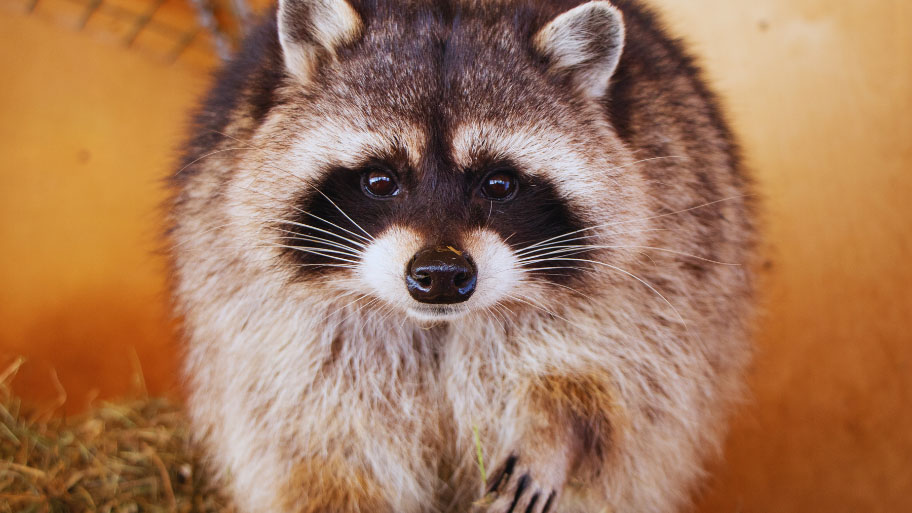
Raccoon Removal in Van Meter, IA

If you keep hearing scratching, thumping, or heavy movement above the ceiling, there’s a good chance a raccoon has gotten into your attic.

That usually means more than just noise. Raccoons can tear insulation, damage soffits, leave strong odors behind, and keep coming back if the entry point stays open.

Homeowners in Van Meter often notice:

  • Loud noises after dark

  • Scratching in the ceiling or walls

  • Torn-up insulation in the attic

  • Knocked-over trash outside

  • Damage near the roofline or vents

Bobcat Wildlife & Pest Management provides raccoon removal in Van Meter, IA along with exclusion work to help keep raccoons out for good.

Why Raccoons Keep Coming Back to Homes

Getting a raccoon out of the attic is only part of the problem.

If the entry point stays open, raccoons often come back to the same area looking for shelter again.

In Van Meter homes, raccoons commonly return because of:

  • Damaged or loose soffits around the roofline

  • Open attic vents or gaps near the roof

  • Easy access from nearby trees

  • Leftover nesting odors inside the attic

  • Trash, pet food, or other food sources nearby

Female raccoons may also return to familiar attic spaces during nesting season if the area still feels safe and accessible.

That’s why raccoon removal should also include exclusion work to help block re-entry and reduce the chances of future attic problems.

Our Raccoon Removal Services in Van Meter, IA

Every raccoon situation is different, which is why the removal process depends on where the activity is happening and how severe the problem has become.

Our raccoon removal services may include:

  • Property and attic inspections

  • Humane raccoon trapping and removal

  • Roofline and exterior entry-point checks

  • Raccoon exclusion and sealing work

  • Attic and crawl space inspections

  • Removal of contaminated nesting materials

  • Cleanup and sanitation recommendations

  • Preventative recommendations to reduce future activity

We help take raccoons away safely and show homeowners how to stop them from coming back.

Why Raccoon Problems Can Get Expensive Fast

A raccoon problem that starts small can become much harder to deal with over time, especially when activity inside the home goes unnoticed for too long.

As raccoons continue using the same area, homeowners may end up dealing with:

  • More extensive cleanup and sanitation work

  • Larger repair costs around attic and exterior areas

  • Repeated wildlife activity in the same location

  • Stronger odors and harder-to-clean contaminated spaces

  • More difficult removal situations during nesting season

In many cases, handling the problem earlier helps limit the amount of cleanup, repairs, and long-term disruption needed later on.

Having issues with pests or wildlife?

Don’t stress! Bobcat Wildlife & Pest Management is here to help in Des Moines Metro and surrounding areas. Our proficient team offers top-tier pest and wildlife control. Reach out for dependable, safe, and efficient service solutions.

Common Questions About Bat Removal in Van Meter, IA

Many homeowners first notice raccoons after hearing heavy thumping, scratching, or movement above the ceiling at night.

Raccoons are much louder than mice or squirrels and often create strong noises as they move through attic spaces.

Other common signs may include:

  • Damage near soffits, vents, or roof edges
  • Torn insulation inside the attic
  • Strong odors coming from enclosed spaces
  • Droppings near attic areas or entry points
  • Knocked-over trash outside the home

In Van Meter homes, raccoons commonly enter through weak areas around the roofline, attic vents, and exterior openings.

Raccoons often make loud thumping, scratching, dragging, or heavy walking noises inside attics and ceilings during the night.

Some homeowners also hear vocal sounds such as growling, chittering, or crying noises, especially during nesting season.

Because raccoons are larger animals, the sounds are usually much heavier and more noticeable than smaller pests like mice.

Raccoons usually enter homes through damaged or unprotected areas around the roof and exterior of the property.

They are strong climbers and can pull apart weak materials to gain access to attic spaces.

Common raccoon entry points include:

  • Loose or damaged soffits
  • Open attic vents
  • Roof gaps and roof edges
  • Chimneys without proper caps
  • Damaged siding or exterior openings

Homes near wooded areas, trees, or water sources around Van Meter may experience increased raccoon activity during certain times of the year.

Raccoons can create health and safety concerns when they stay inside attics, crawl spaces, garages, or other parts of a home.

In some situations, raccoons may become aggressive if they feel trapped or are protecting babies.

Potential concerns may include:

  • Contaminated attic areas from droppings and urine
  • Damage to insulation and building materials
  • Strong odors inside enclosed spaces
  • Parasites and bacteria associated with raccoon waste
  • Increased property damage over time

Because of these risks, homeowners are generally encouraged to address raccoon activity as early as possible.

Yes. Raccoons can cause significant attic damage if they remain inside a home for an extended period of time.

They often tear insulation apart while creating nesting areas and moving through attic spaces.

Raccoon activity may also lead to:

  • Compressed or contaminated insulation
  • Damaged vents or ductwork
  • Torn vapor barriers or stored materials
  • Odor buildup inside attic spaces
  • Additional cleanup and repair costs later on

The longer raccoons stay inside the attic, the more extensive the damage may become.

Raccoons often return to homes when they find a safe, quiet place to shelter and the original entry point is still accessible.

Attics, crawl spaces, and roofline openings can continue attracting raccoons if the area still feels secure.

Common reasons raccoons return include:

  • Open or poorly sealed entry points
  • Remaining nesting odors inside the attic
  • Easy access from nearby trees or structures
  • Nearby food or water sources
  • Previous nesting areas that were not fully addressed

Female raccoons may also return to familiar nesting locations during breeding season.

Raccoons can be active throughout the year in Iowa, but homeowners often notice increased activity during colder months and nesting season.

During fall and winter, raccoons commonly search for warm attic spaces and sheltered areas. In spring, female raccoons may move into attics or crawl spaces to raise their young.

Activity may increase around homes when temperatures drop or when raccoons are searching for food and nesting areas.

Yes. Raccoons frequently use attics during the winter because the space provides warmth and protection from harsh outdoor weather.

Attics can become attractive shelter areas when raccoons are trying to escape cold temperatures, snow, wind, and storms.

Some raccoons may remain inside attic spaces for extended periods if they feel safe and undisturbed.

In Van Meter homes, winter raccoon activity often becomes more noticeable at night when homeowners hear movement above the ceiling.

If baby raccoons are present in the attic, it is usually best to avoid handling them directly.

Mother raccoons are often nearby and may become defensive if they feel their young are threatened.

Homeowners should avoid:

  • Blocking entry points immediately
  • Attempting to remove baby raccoons by hand
  • Separating babies from the mother
  • Using harmful or aggressive removal methods

Raccoon removal during nesting season often requires careful handling to safely address both the adult raccoon and the babies inside the home.

Raccoon removal usually starts with an inspection of the attic, roofline, crawl space, or affected area to identify activity, nesting locations, and possible entry points.

Depending on the situation, the removal process may include:

  • Humane trapping and removal methods
  • Checking for baby raccoons during nesting season
  • Identifying and sealing entry areas
  • Inspecting for contamination or damage
  • Recommending cleanup or exclusion work when needed

The exact process depends on the condition of the property and how severe the raccoon activity has become.

Take Care Of Your Pest Problem Today

We service the entire Van Meter, IA, and the surrounding areas. Contact us today for the safe and efficient removal of your pest problem.

Service Pages Form