Bee Removal in Grimes, IA for Homes & Outdoor Spaces
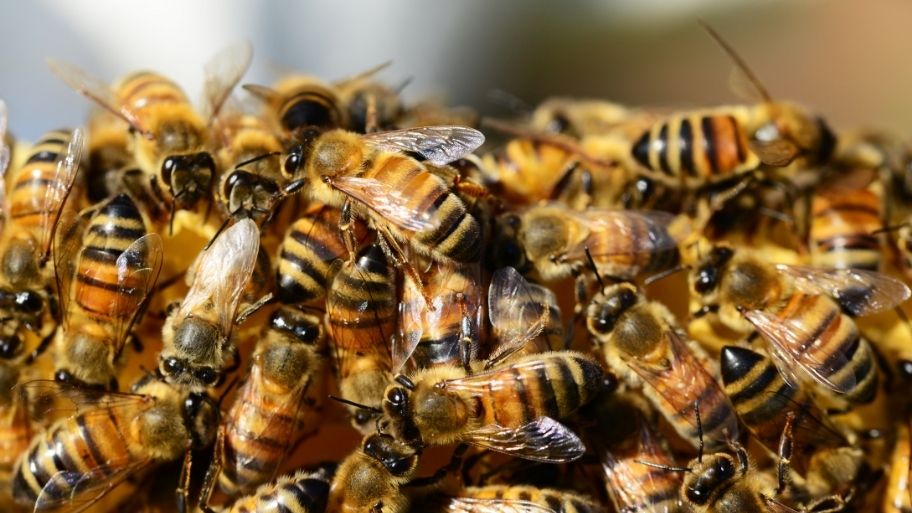
Bee Removal in Grimes, IA

Seeing bees around your home in Grimes?

Whether they’re flying near your roofline, deck, siding, or front entryway, growing bee activity around the property can quickly become stressful for homeowners.

In some cases, bees may be nesting inside walls, soffits, sheds, or attic spaces without homeowners realizing it.

At Bobcat Wildlife & Pest Management, we help homeowners safely identify and remove bee problems before they spread closer to family areas around the home.

Common signs of a bee problem include:

  • Bees gathering near siding, soffits, or roof edges

  • Increased activity around decks, patios, or entryways

  • Bees entering small gaps around the home

  • Buzzing sounds inside walls or attic areas

  • Uncertainty whether they are bees, wasps, or yellowjackets

If bee activity around your home is becoming more noticeable, our Grimes bee removal team is ready to help.

Why Bee Problems Often Return Around Homes

Bee activity around the home does not always stop on its own.

In many cases, bees return to the same sheltered areas around siding, rooflines, soffits, decks, or attic spaces if small entry points remain accessible.

Common areas that may attract repeat bee activity include:

  • Gaps around siding, vents, or roof edges

  • Decks, sheds, and outdoor structures

  • Wall voids and attic spaces

  • Small exterior cracks or openings around the home

  • Areas with previous nesting activity

Addressing bee activity early can help reduce the chances of larger nesting problems later on.

Honey Bee Removal Process for Grimes Homes

Honey bee problems around homes often require a careful approach, especially when activity is developing near siding, rooflines, soffits, or outdoor living spaces.

Since every situation is different, the removal process depends on the type of bee activity and where the insects are gathering around the property.

Our honey bee removal process may include:

  • Monitoring bee activity to help locate the main source

  • Inspecting visible and hard-to-reach areas around the home

  • Identifying whether the insects are honey bees or another stinging insect

  • Determining the safest approach based on the level of activity found

  • Addressing active nesting areas around the property

  • Helping reduce conditions that may attract future bee activity

Some honey bee problems are more visible, while others may involve activity hidden around exterior structures or enclosed areas of the home.

When Professional Bee Removal Becomes the Safer Option

Some bee problems around the home can be difficult to handle without knowing exactly what type of insect is present or where the activity is coming from.

In certain situations, attempting to spray, block, or disturb active bee areas may increase insect activity or cause bees to relocate deeper into enclosed parts of the home.

Professional bee removal is often the safer option when:

  • Bee activity is developing near entryways or outdoor family areas

  • Insects are entering walls, soffits, vents, or attic spaces

  • The type of stinging insect is unclear

  • Activity continues increasing over time

  • Someone in the home has concerns about stings or allergies

  • DIY treatments have not resolved the problem

Addressing bee activity before colonies expand further can help reduce safety concerns and make the situation easier to manage around the property.

Having issues with pests or wildlife?

Don’t stress! Bobcat Wildlife & Pest Management is here to help in Des Moines Metro and surrounding areas. Our proficient team offers top-tier pest and wildlife control. Reach out for dependable, safe, and efficient service solutions.

Frequently Asked Questions About Bee Removal in Grimes, IA
Bees and wasps can look similar from a distance, but their behavior is often different.

Bees are usually seen moving steadily between flowers and nesting areas, while wasps and yellowjackets tend to be more aggressive and frequently gather around food, trash, or outdoor seating areas.

Homeowners in Grimes often notice stinging insect activity around:

  • Rooflines and soffits
  • Siding or vents
  • Decks and patios
  • Garages or sheds
  • Entryways and outdoor gathering areas

If insects are repeatedly flying in and out of the same area around your home, there may be hidden nesting activity nearby.

Bees are often attracted to sheltered areas around homes where they can safely nest and stay protected from weather.

Small openings around siding, rooflines, soffits, vents, and attic areas may provide suitable nesting locations.

Other factors that may attract bee activity include:

  • Flowering plants and landscaping
  • Outdoor water sources
  • Decks, sheds, and outdoor structures
  • Previous nesting areas around the property
  • Small exterior gaps or cracks

Once bee activity begins around a home, the insects may continue returning to the same protected areas over time.

Yes. In some cases, bees may enter through small openings around siding, vents, soffits, or roof edges and begin nesting inside wall voids or attic spaces.

Homeowners may only notice the problem after activity around the outside of the home becomes more frequent.

Possible signs of hidden nesting activity may include:

  • Buzzing sounds inside walls or ceilings
  • Bees repeatedly entering the same small opening
  • Increased activity near rooflines or siding
  • Bee activity around vents or attic areas

Hidden nesting activity can become more difficult to manage as colonies grow larger over time.

Bee activity around the home can become a concern when insects begin gathering near entryways, decks, patios, play areas, or other high-traffic spaces around the property.

While many bees are not naturally aggressive, stinging insects may become defensive if they feel threatened or disturbed.

Homes with children, pets, or individuals with sting allergies may have additional safety concerns when bee activity becomes more noticeable around the property.

If bee activity continues increasing around family areas of the home, it is usually best to have the situation properly evaluated.

If bees are repeatedly flying around the same section of siding, soffits, vents, or roof edges, it may indicate nearby nesting activity.

Avoid spraying or sealing openings immediately, as disturbing active bee areas without identifying the source can sometimes make the situation more difficult to manage.

Instead, homeowners should:

  • Monitor where the insects are gathering
  • Avoid blocking active entry points
  • Keep children and pets away from active areas
  • Watch for increasing activity over time

If the activity continues or becomes more concentrated around the home, professional bee removal may help identify the source and safely address the problem.

Some small bee problems may appear manageable at first, but DIY removal can become risky if the nesting area is hidden or the type of stinging insect is unclear.

Disturbing active bee areas without proper identification may increase insect activity or cause bees to relocate deeper into walls, soffits, or other enclosed areas.

Professional bee removal is often recommended when:

  • The nest location is difficult to access
  • Bees are entering the home through small openings
  • Activity is developing near family areas or entryways
  • The insects may be wasps or yellowjackets instead of bees
  • Bee activity continues increasing over time

Handling bee problems carefully early on can help reduce larger nesting issues later.

Professional bee removal typically begins with evaluating the activity around the property and identifying the type of stinging insect involved.

Since every situation is different, the removal approach depends on where the insects are gathering and how developed the activity has become.

During the process, the service may include:

  • Inspecting affected areas around the home
  • Identifying bee, wasp, or yellowjacket activity
  • Locating possible nesting areas or entry points
  • Addressing visible or hidden nesting activity
  • Recommending steps to help reduce future problems

The goal is to safely address the current activity while helping homeowners better understand the situation around the property.

Bee activity can sometimes return if sheltered nesting areas around the home remain accessible. Small exterior gaps, roofline openings, soffits, vents, and wall voids may continue attracting stinging insects over time.

Homes with previous nesting activity may be more likely to experience repeat bee activity around the same areas. After you take away the nest, watch your property and close any holes. This will help stop birds from building another nest.

If homeowners continue noticing repeated bee traffic around the same section of the property, additional evaluation may be needed.

It is usually best to address bee activity early before nesting activity becomes larger or more concentrated around the property.

What begins as occasional bee traffic may gradually increase over time, especially during warmer months in Iowa.

Early action may help reduce:

  • Bee activity near family areas
  • Hidden nesting inside walls or soffits
  • Larger colonies developing around the property
  • Increased activity around entryways or outdoor spaces

The sooner the source of the activity is identified, the easier the situation may be to manage.

Yes. Different stinging insects often require different removal approaches depending on their behavior, nesting habits, and level of aggression.

Honey bees are important pollinators, while wasps and yellowjackets are often more aggressive around homes and outdoor areas.

Because many homeowners are unsure which type of insect they are seeing, proper identification is an important part of the removal process.

Factors that may differ between insects include:

  • Nesting locations around the home
  • Levels of aggression
  • Grouping behavior and colony size
  • Response when disturbed
  • Removal and prevention methods

Correctly identifying the insect activity helps determine the safest and most effective approach for the situation.

Take Care Of Your Pest Problem Today

We service the entire Grimes, IA, and the surrounding areas. Contact us today for the safe and efficient removal of your pest problem.

Service Pages Form
Knowledgeable, careful, and insightful-
I had the opportunity to meet with Nicole Spaulding from Bobcat Wildlife and Pest Management to learn more of what she does and to ask questions about their industry, fearing it affected my own (outdoor aquatic stock growth).
She took the time to share with me the ins-and-outs of her industry, genuinely caring for my concerns, resolving them completely in the end.

Grant Sodders, Des Moines, Iowa
Margaret Branwen Dewey
Jared was super helpful, set up traps, and we are looking forward to a raccoon free attic.
Margaret Branwen Dewey, Des Moines, Iowa
Sophia O'Brien
Nate with Bobcat Pest was great to work with! I called in about a birds nest removal. He gave the roof a full inspection, cleaned out the nest/dead birds, and returned a week later to patch the hole. Very professional service.
Sophia O'Brien, Des Moines, Iowa
Alison Kanne
Bobcat Wildlife & Pest Management came to my house to deal with a serious bat problem. I have had no issues with bats since they came, and the guy who did the work on my house was thorough and took obvious pride in his work. They are knowledgeable and thorough and don’t take the easy way out. It was clear that they really cared about solving my bat issue and I highly recommend them to anyone with a bat problem.
Alison Kanne, Des Moines, Iowa
Jayson Jones

Highly recommend using this company for any pest control needs and or wildlife issues.

Jayson Jones, Des Moines, Iowa
Molly Roffman Wosmansky

They do an amazing job with our pest control and keeping all the mosquitos at bay. I really appreciate how caring & respective Gene is towards these animals and rodents…

Molly Roffman Wosmansky, Des Moines, Iowa
Scott Crook

What a great experience Ronnie Hayes came to our place he came to our place assessed that we had a few raccoons in our attic. He even put a trap on the roof and for them out the same day then the relocated them. For a very responsible place.

Scott Crook, Des Moines, Iowa
Cortney Dierks

Thank you so much! We debated calling for a long time. When I finally did Blake came the very next day and trapped the squirrel who was the culprit of the damage. He fixed the damage too! We are so happy we finally called, wish we would have done it sooner! Thanks Blake!

Cortney Dierks, Des Moines, Iowa
Kayla Lynch Engebrecht

Highly recommend this group!!! Within 24 hours of my “something stinks” panic call, one of the techs, Ronnie, was at our place taking care of the animals that found their final resting place in our vents… and patched it up so we wouldn’t have this happen again. On time, efficient, and very knowledgeable!!


Kayla Lynch Engebrecht, Des Moines, Iowa