Wasp Removal in Dallas Center, IA That Protects Your Home and Family
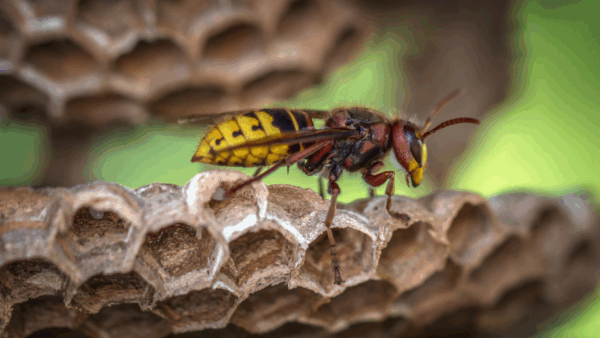
Bee Removal in Des Moines, IA

Finding wasps near your porch, roofline, or vents can make your home feel unsafe—especially if kids, pets, or anyone with allergies is nearby. Even a small nest can grow fast, increasing the risk of painful stings and limiting how comfortably you can use outdoor spaces.

Bobcat Wildlife & Pest provides wasp removal in Dallas Center designed for quick, careful treatment. We locate the nest, address active wasps, and reduce the conditions that allow new nests to form, helping your home feel safe again.

We locate the nest, address active wasps, and reduce the conditions that allow new nests to form, helping your home feel safe again.

If you’re seeing wasp activity around your Dallas Center home or nearby communities in the Des Moines metro, now is the right time to act.

Smart Wasp Prevention That Keeps Dallas Center Homes Protected

Removing an active wasp nest is only the first step—long-term comfort comes from preventing new nests from forming.

After treating the immediate issue, we inspect your Dallas Center home for the areas wasps target most, including soffits, roof edges, vents, and sheltered corners that provide easy nesting spots. These checks help us understand exactly why wasps chose your home in the first place.

We seal small openings, recommend simple upkeep habits, and apply safe deterrents where they’re most effective—all without disrupting your daily routine.

By pairing quick removal with smart prevention, we help ensure your Dallas Center home stays safer, more secure, and comfortably sting-free.

Thoughtful, Effective Wasp Removal for Dallas Center Homes

  • Safe Nest Removal That Protects Your Household:

    Wasps nesting in rooflines, vents, or soffits can quickly become a safety concern. We remove nests carefully to reduce sting risks and make your home feel secure again.

  • Pinpointing Hidden Nests:

    Seeing wasps outside often means a nest is tucked out of view. We track activity to locate nests behind siding, inside vents, or along roof structures so the full problem is addressed.

  • Low-Impact Prevention for Everyday Comfort:

    We use subtle, low-impact deterrents and seal small openings to help prevent new nests—without harsh chemicals or disruptive fixes.

  • Customized for Dallas Center Homes:

    Every home is different, so we tailor each removal and prevention plan to fit your property, giving you reliable results and long-term peace of mind.

Why Acting Early on Wasp Activity Matters in Dallas Center

Seeing a few wasps near your siding, roofline, or outdoor living areas might seem minor, but it often means a nest is already taking shape. Wasps build quickly, and early activity is usually the first sign that more are on the way.

Waiting allows the colony to grow, increasing sting risks and making removal more difficult if the nest expands into wall gaps, attic spaces, or vents. For homes with kids, pets, or allergy concerns, addressing the problem promptly is especially important for safety and comfort.

Taking action early helps prevent stress, unnecessary repairs, and aggressive wasp behavior around your home.

If you’re noticing wasp activity around your Dallas Center property, the best time to act is now. Bobcat Wildlife & Pest Management provides fast, careful removal that prioritizes your peace of mind.

Having issues with pests or wildlife?

Don’t stress! Bobcat Wildlife & Pest Management is here to help in Des Moines Metro and surrounding areas. Our proficient team offers top-tier pest and wildlife control. Reach out for dependable, safe, and efficient service solutions.

Frequently Asked Questions About Wasp Removal in Dallas Center, IA

Wasps often give early warning signs before a nest becomes obvious. If you notice wasps flying to and from the same spot near your siding, vents, roofline, or deck, it often means a nest is forming nearby. Even if you can’t see it, consistent activity in one area is a strong indication that a hidden nest is present.

You may also hear faint buzzing in walls or see wasps gathering in shaded corners around porches or eaves. These patterns usually mean the nest is growing. Because nests expand quickly, it’s best to have them inspected before they reach full size.

A professional assessment can confirm exactly where the nest is located and determine the safest way to remove it without disturbing the colony.

Yes. Wasp stings are painful and can cause redness,swelling, and, in some cases, allergic reactions. Children and pets are more vulnerable because they may unintentionally get too close to a nest or react strongly to venom.

Multiple stings are especially dangerous, as wasps become aggressive once their nest is disturbed. Pets may chase or paw at wasps, raising the chances of painful stings and stress.

If you have kids, pets, or anyone in the household with allergies, professional removal is the safest way to reduce the risk of unexpected encounters.

Wasps often gather near areas that offer shelter and protection. Siding gaps, overhangs, soffits, and porch beams create ideal nesting conditions because they shield the colony from wind and moisture.

They may also be attracted to food sources, sweet scents, or leftover outdoor debris. In summer months, rising temperatures in Iowa can drive wasps toward shaded home surfaces for relief.

Consistent activity around the same area is a sign to schedule an inspection, since the nest is likely close by and growing.

Clearing a wasp nest on your own is dangerous. Wasps become extremely aggressive when disturbed, often attacking in groups. Even protective clothing isn’t always enough to prevent stings during DIY removal attempts.

Store-bought sprays may kill a few wasps but rarely eliminate the entire colony or reach deeper parts of the nest. This often results in wasps scattering into new areas or rebuilding nearby.

Professional removal ensures the nest is treated safely, thoroughly, and at the right time of day to minimize risk. It’s the safest option for families, pets, and neighbors.

Wasp nests grow rapidly during warm months. A nest that begins small in early summer can reach full size in just a few weeks. By late summer, colonies often expand significantly and become more aggressive as populations increase.

Because growth happens so quickly, waiting even a short amount of time before removing an active nest can make treatment more challenging. Larger nests also increase sting risk around doors, walkways, and outdoor areas.

Addressing nests early prevents the colony from becoming established and helps avoid more costly or invasive removal later.

If wasps are gathering near your entryways, limit movement in the area and keep children and pets away. Wasps become defensive around high-traffic spaces, raising the likelihood of accidental stings.

Avoid swatting at wasps or attempting to knock down visible nests. This can trigger aggression and cause wasps to swarm. The safest next step is to schedule professional removal so the nest can be located and treated before activity grows.

Until treatment is complete, staying clear of the area helps minimize agitation and keep your household safe.

Yes. Wasps commonly enter attics or wall voids through small gaps around vents, rooflines, or siding. These spaces offer warmth and protection, making them ideal for nesting.

Hidden nests often go unnoticed until activity becomes heavy or homeowners hear buzzing in certain areas of the house. Once inside, colonies may expand and become harder to treat without specialized equipment.

A thorough inspection can locate these hidden nests and prevent further structural or safety concerns.

Wasps are least active in the early morning or late evening when temperatures are cooler. This makes these periods the safest and most effective times for nest treatment.

Professional technicians plan treatments during low-activity windows to ensure the colony is calm and contained. This reduces aggression and improves the success of the removal.

Timing treatment correctly is essential, especially when nests are large or located in difficult spots.

Wasps may return if potential nesting spots or entry points are left untreated. That’s why professional removal often includes preventive steps such as sealing gaps, reducing attractants, and placing safe deterrents in key areas.

Homes that consistently see wasp activity around the same spots often have openings or structural features that need correction. Addressing these areas greatly reduces the chance of another nest forming.

Once prevention is in place, wasps are far less likely to rebuild on your property.

A sudden increase in wasps can occur during warm weather, seasonal shifts, or nesting periods. Rising temperatures often drive wasps to seek shelter near homes, especially around shaded siding or roof edges.

It may also indicate a new nest forming or an existing one reaching peak population. More wasps usually means more activity near nesting materials, food sources, or water.

An inspection can confirm whether the activity is seasonal or a sign of an expanding nest.

Most wasp removal services can be completed in a single visit, although timing depends on nest size and accessibility. Outdoor nests attached to siding or rooflines are typically faster to treat.

Hidden nests inside walls, vents, or attic spaces may require more time and careful access. Technicians ensure activity is fully controlled before completing the job.

After removal, recommendations may be provided to help prevent new nests from forming.

If anyone in your household has a known sting allergy, avoid the area where wasp activity is occurring and do not attempt to remove the nest yourself. Allergic reactions can escalate quickly.

Professional removal prevents unnecessary exposure and ensures the nest is handled safely. Technicians can eliminate the colony without putting your family at risk.

In cases of severe allergies, acting promptly is essential to avoid unexpected encounters.

While wasps don’t chew wood like carpenter ants, they can still cause minor structural issues. Nests built inside siding, wall voids, or attic spaces can trap moisture and weaken materials over time.

The bigger concern is the safety risk they create around high-use areas like porches, play spaces, and walkways. Active nests also limit how comfortably you can use outdoor areas.

Removing nests early prevents both safety issues and potential structural complications.

Yes. Professional wasp treatments are designed to be low-impact and targeted to avoid unnecessary exposure. Your technician may recommend keeping pets or children indoors during treatment to ensure everyone stays safe.

Modern products are formulated to be effective against wasps while minimizing risk to your household and surrounding environment. Once activity stops, normal use of outdoor areas can resume.

Bobcat Wildlife & Pest provides fast scheduling for Dallas Center homeowners because wasp nests can grow quickly and become dangerous in a short period of time.

Most customers receive same-day or next-day service depending on technician availability. Acting early helps prevent larger nests and reduces the risk of unexpected stings.

Quick response ensures your home becomes safe and comfortable again as soon as possible.

Take Care Of Your Pest Problem Today

We service the entire Dallas Center, IA, and the surrounding areas. Contact us today for the safe and efficient removal of your pest problem.

Service Pages Form
Spam Check