

Redd Foxes in a lawn - Fox Removal

Why Control Foxes?

Seeing a fox near your home, yard, or chicken coop is especially concerning during colder months. As temperatures drop, foxes become more active around neighborhoods while searching for dependable shelter and easy food sources.

This often brings them closer to homes, pets, livestock, and structures where they can cause problems quickly if they settle in or begin denning.

Health Protection

Foxes can carry parasites and rabies, and they spend more time near human activity during winter. Removing them quickly reduces risks to your family and pets.

Prevent Structural Damage

In cold weather, foxes often dig under decks, sheds, and foundations to stay warm. Their tunneling can weaken structures and lead to costly repairs if not addressed early.

Protect Pets and Backyard Chickens

With fewer natural food sources in winter, foxes may target small dogs, cats, rabbits, and poultry. Removing them helps prevent attacks and keeps your animals safe.

Bobcat Wildlife & Pest Management has been helping homeowners throughout Des Moines and nearby Iowa communities resolve fox problems safely and humanely since 2008.

👉 Schedule Service Today to protect your home, pets, and property this season.

Fox Removal Services

The most effective way to remove foxes is to relocate adults once any young are old enough to leave the den. Our service focuses on safe removal, secure exclusion, and long-term prevention.

  • Securing Entry Points: After removal, we completely seal off porches, sheds, and foundations to prevent future entry. We install barriers that extend a minimum of six inches below ground level to block foxes from digging their way back in, ensuring thorough fox den removal.

  • Preventive Measures: We provide expert guidance on property care and modifications to deter foxes from returning. This includes removing food sources and securing potential entry points to keep your property fox-free long-term.

  • Humane and Targeted Removal

    All removal methods follow Iowa wildlife regulations and are designed to safely relocate foxes without harming pets, livestock, or the surrounding environment.

  • Inspection and Activity Assessment

    We inspect the property to locate dens, digging activity, travel paths, and nearby food sources. This ensures we address every area foxes are using—not just the visible ones.

  • Long-Term Property Protection

    We reinforce vulnerable areas such as fencing around chickens, gaps near outbuildings, and spaces foxes revisit year after year. These improvements reduce the chance of future problems.

If you’re seeing fox activity, digging, or signs of a den, early action is the best way to protect your property and animals.

👉 Schedule Service Today and let us help you remove the foxes safely and prevent them from returning.

Our Fox Removal Process

At Bobcat Wildlife & Pest Management, we provide comprehensive solutions to address the unique challenges foxes pose.

Our approach includes thorough evaluations, humane intervention techniques, and proactive deterrent strategies to help keep your space fox-free. We focus on precision and care in each phase to enhance the safety and security of your property.

What If It’s Not Just Foxes?

If you’re dealing with other wildlife or pest issues, we can help. Our team handles a wide range of problems to keep your property safe and protected.

🦝 Comprehensive Wildlife Solutions
Whether it’s raccoons getting into garbage or squirrels nesting in your attic, we remove wildlife humanely and secure the areas they use so the problem doesn’t return.

🐜 Effective Insect Control
From ants in the kitchen to termites around structural areas, our targeted treatments eliminate insect activity and help prevent future outbreaks.

🐭 Reliable Rodent Control
If mice or rats are entering your home, we provide fast removal, seal entry points, and set up prevention measures to keep your home rodent-free long term.

How to Spot Fox Activity
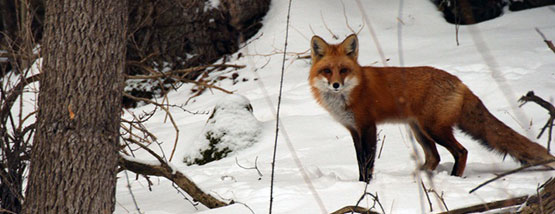
red fox outside des moines, ia

Foxes can be difficult to spot directly, but they leave clear signs when they’re using your property for food, shelter, or denning. Here are the indicators most homeowners notice first:

1. Distinctive Behaviors

If you see a fox prowling near your yard at dawn or dusk, or hear rustling or movement at night, it often means they’re hunting nearby or checking your property for shelter. These patterns are especially common during colder seasons when foxes become more active around homes.

2. Visible Damage

Burrowing under decks, sheds, or along foundations is a strong sign of fox activity. Dens may also produce a musky odor similar to a skunk’s. If digging continues, it can weaken structures or create openings that attract other wildlife.

3. Tracks and Trails

Fox tracks usually show four toes on the front paws and five on the back. Trails, droppings, or disturbed soil near sheds, coops, or brush piles often point to regular travel paths or feeding areas. These signs help pinpoint where the fox is spending most of its time.

MAIN ISSUES

  • Odor

  • Visible Den

  • Danger For Small Pets and Chickens

Frequently Asked Questions

Seeing a fox once isn’t unusual, but repeated sightings mean the fox may be exploring your property for food or shelter. Foxes often return to the same areas if they find an easy food source, a quiet hiding spot, or a place to dig a den.

It’s important not to approach or attempt to scare the fox away, as this can cause unpredictable behavior. Keep pets indoors and remove obvious attractants like unsecured garbage or outdoor pet food.

If the fox keeps returning, a professional inspection can determine whether it has begun denning or using your property regularly. Early removal prevents more serious activity from developing.

Foxes become noticeably more active around homes in winter because food is scarce and natural shelters are harder to find. They often look for warm, protected areas under decks, sheds, and porches.

Snow cover and freezing temperatures push them closer to neighborhoods where food sources — like garbage, pet food, and backyard animals — are easier to access. Tracks in the snow often reveal regular travel paths even before homeowners see the fox.

Because winter activity signals that a fox may stay long-term, it’s best to have the area inspected before a den forms.

Foxes usually avoid people, but small pets can be at risk, especially during winter and early spring when foxes are hunting more aggressively. Cats, toy-breed dogs, rabbits, and backyard chickens are the most vulnerable.

A fox may see small animals as prey if they’re left outdoors unsupervised or if they have access to areas foxes travel through. Even fenced yards are not always enough, as foxes can squeeze through gaps or dig underneath.

If a fox has been lingering near your yard or stalking chickens or pets, removal is the safest option to prevent a confrontation.

One of the biggest clues is digging. Fox dens have smooth, rounded entrances with loose soil pushed outward. These openings often appear under decks, sheds, or low-clearance structures.

You may also notice a musky, skunk-like odor around the area, along with tracks, droppings, or signs that the soil is disturbed daily. Foxes using a den tend to return at dawn or dusk, so you may see them entering or leaving the space.

If you suspect an active den, avoid blocking it yourself. Improper sealing can trap a fox or its young inside. A professional inspection can safely determine whether removal is needed.

Foxes generally avoid human contact, but they can still pose risks when they settle close to homes. Foxes often carry parasites like fleas, ticks, and mange, and some may carry rabies.

The risk increases when foxes den near high-traffic outdoor spaces like decks, play areas, and sheds. Children and pets are more likely to come into contact with areas foxes travel through or investigate.

Removing the fox and sealing the den area helps reduce exposure and keeps outdoor spaces safer.

Yes. Fox removal is legal when performed by licensed wildlife professionals who follow Iowa’s humane relocation and handling guidelines. Certain methods and timing restrictions apply, especially during birthing season.

Attempting removal on your own can be unsafe and may violate wildlife regulations if done improperly. Licensed professionals ensure both legal compliance and safe handling of foxes and their young.

This is the safest way to protect your home and stay within Iowa’s wildlife laws.

These structures provide warmth, weather protection, and cover from predators — especially during winter and early spring. Foxes choose these spaces because they’re quiet, enclosed, and easy to defend.

Once a fox establishes a den, it often returns season after season unless the entrance is sealed properly. This can lead to repeated digging, soil disruption, and structural damage.

Removing the fox and installing a buried barrier is the most effective long-term solution.

Removal starts with a full property inspection to locate dens, travel routes, and food sources. This ensures that every part of the fox’s activity is identified before the removal begins.

We then use humane, safe methods to relocate the fox without harming pets, livestock, or surrounding wildlife. Once the fox is removed, we seal den sites and install barriers to prevent tunneling.

This approach ensures the fox cannot return and reduces the likelihood of future activity.

Foxes are skilled predators and will target unprotected coops or loose fencing. Reinforcing the coop with secure fencing, hardware cloth, or buried edges is essential to deter digging.

You should also remove leftover feed, seal gaps in the structure, and clean up areas where food scraps may attract wildlife. Once a fox starts scouting a coop, it rarely stops on its own.

If a fox is repeatedly circling your animals, immediate removal is the safest way to prevent an attack.

Yes. Backyard chickens, ducks, rabbits, and small pets are common targets. Foxes often hunt early in the morning or late at night, especially in winter when natural food sources decrease.

Even if the fox hasn’t attacked yet, lingering near animal areas is a strong sign that it’s testing boundaries and planning a hunting route. This behavior usually escalates over time.

Removing the fox and securing vulnerable areas helps keep all animals safer.

Homeowners often notice digging around decks or sheds, scattered feathers or bones near outdoor areas, and tracks leading to brush piles or outbuildings. Droppings or strong musky odors are also common signs of den activity.

You might also hear fox vocalizations — barks, screams, or high-pitched noises — especially during winter breeding season. These sounds usually indicate that foxes are close by.

If you’re seeing multiple signs, there’s a good chance a fox is using your property regularly.

Foxes are most vocal during winter and early spring when breeding season begins. Their noises include screams, sharp barks, and eerie high-pitched sounds that can carry long distances.

Hearing these sounds repeatedly near your home often means foxes are traveling through your property or using it as a shelter area. Some homeowners also hear movement around decks or sheds during these times.

An inspection can determine whether the fox is denning on your property or simply passing through.

Most service calls are scheduled within 1–2 business days. During peak winter activity, we often offer next-day or even same-day inspections for homeowners in the Des Moines area.

Fast response is important because foxes establish den sites quickly, especially in cold weather. The sooner we inspect, the easier it is to prevent long-term problems.

Scheduling early also helps ensure the fox doesn’t settle in or cause additional damage.

Not always. Foxes often return to reliable den sites, and in some cases, multiple foxes may be using the same area. Removing only one fox may not eliminate the behavior if the structure or yard is still accessible.

Securing the den site and installing exclusion barriers is essential to ensuring foxes cannot return. This is why removal and prevention must go hand-in-hand.

A full inspection will determine whether you’re dealing with a single fox or an established territory.

The most effective prevention methods include securing sheds and decks, removing outdoor food sources, and reinforcing fencing around chickens or outdoor pets. Keeping the yard clear of brush piles also reduces hiding spots.

Installing buried barriers around vulnerable structures helps prevent future digging. These steps are especially important during winter when foxes are actively searching for shelter.

A professional can identify your property’s weak points and recommend the best long-term protection plan.

Why Choose Bobcat Wildlife & Pest Control

Take Care Of Your Pest Problem Today

We service the entire Des Moines, IA metro area. Contact us today for the safe and efficient removal of your pest problem.

Service Pages Form

If you are looking for someone who does a great job, is thorough, is dedicated to making your home a priority-Bobcat Wildlife & Pest Management is you’re only source for pest management. Best of the Best!

Laura M., via Google

Our office is next to a restaurant so pest control is a constant battle. Bobcat Wildlife & Pest Management were discreet and efficient. We have not seen any pests since working with them.

MW, via Yelp
Bobcat Wildlife & Pest were very helpful. They were prompt and went over and above in their service to us. We will definitely recommend them to our family and friends.
Krista B., via Facebook

We had a pest problem and the entire team was very responsive! From the phone staff to Ronnie coming out to the property. He was very helpful in explaining our issue and how we were going to treat it. Thank you!

Nicholas D., via Google

Highly recommend this group!!! Within 24 hours of my “something stinks” panic call, one of the techs, Ronnie, was at our place taking care of the animals that found their final resting place in our vents… and patched it up so we wouldn’t have this happen again. On-time, efficient, and very knowledgeable!!
Kayla L., via Facebook

Bobcat Wildlife and Pest installed Incide PC™ insulation in our attic space. They were quick, quiet, and did a great job. Our home is warmer and more comfortable now. Well worth it!

Matt C., via Facebook

I just wanted to email and let someone know how nice of a job Jared does when he comes out to treat the house. He always asks how things are and if I have any concerns. He checks things thoroughly each visit and addresses issues that need taken care of. He is very pleasant and professional.

Lindsay K., via Email