
WHY CONTROL HONEY BEES?
Noticed bees hanging around your home lately? Maybe they’re swarming near the porch, or you’ve heard buzzing in the walls.
It’s easy to brush it off—until someone gets stung or you realize they’ve built a hive where you can’t reach. For families, this isn’t just annoying. It’s scary. And for anyone with allergies, it’s dangerous.
That’s why honey bee problems should never be ignored. If they settle in, they don’t just go away.
1. When Safety Becomes a Daily Worry
A single sting can send someone to the ER. If bees are near your doors, garage, or play areas, every trip outside starts to feel like a risk—not something you should have to live with.
2. The Damage Isn’t Just Outside
Once bees get inside walls, they bring more than a buzz. Moisture, sticky honey, and waste can ruin drywall, attract other pests, and lead to costly repairs if left too long.
3. You Deserve to Enjoy Your Backyard
Whether it’s a quiet cup of coffee outside or a weekend BBQ, bees shouldn’t be the reason you stay indoors. We’ll help make your yard yours again—without the stress.
If you’re dealing with bees right now—or even just have a feeling they’ve moved in—Bobcat Wildlife & Pest Management is here to help with trusted Honey Bee Removal in Des Moines, IA and the surrounding areas.
Don’t wait for things to get worse—get a quote today and let’s take care of it.
HONEY BEE REMOVAL SERVICES
At Bobcat Wildlife & Pest Management, we don’t just get rid of the bees—we do it the right way.
Our goal is to remove the problem safely, protect your property, and keep things in balance with nature. Here’s how we make that happen:
Important Notes:
- 1
Swarm Management: If you notice a honey bee swarm on a tree, shrub, or near your house, it’s often best to leave it alone. Swarms typically move on by themselves. Ensure you and others keep a safe distance to avoid any potential disturbances.
- 2
Health Threats: In cases where the swarm poses a health risk, especially in busy public areas, it is crucial to seek professional assistance immediately.
- 3
Established Colonies: If bees have nested in your siding, chimney, or soffits, it’s important to address the situation promptly before they start producing honey and causing more significant issues. Contact Bobcat Wildlife & Pest Management for safe and effective bee removal to protect your property.
OUR HONEY BEE REMOVAL PROCESS
At Bobcat Wildlife & Pest Management, we address the specific challenges posed by honey bees with a detailed and comprehensive approach.
Our process includes meticulous inspections, efficient removal techniques, and proactive preventive measures. Each step is executed with precision and care, ensuring your home remains secure and free from honey bee disturbances.
DEALING WITH MORE THAN JUST HONEY BEES?
Have other unwelcome guests in your home? Bobcat Wildlife & Pest Management can handle all your wildlife and pest issues effectively:
All-Inclusive Wildlife Management
Raccoons rummaging through your trash? Squirrels nesting in your attic? Our expert team safely relocates wildlife, ensuring your property remains secure and disruption-free.
Advanced Insect Control
Facing a termite infestation or ants in your kitchen? Our specialized insect control solutions target and eliminate the problem at its source, keeping your home pest-free.
Comprehensive Rodent Control
Mice or rats invading your space? Our efficient rodent control methods quickly and thoroughly remove these pests, ensuring long-term rodent-free living.
At Bobcat Wildlife & Pest Management, we offer thorough solutions to keep your home safe, secure, and pest-free. Reach out to us for professional pest control services customized to meet your specific needs.
HOW TO SPOT HONEY BEE ACTIVITY
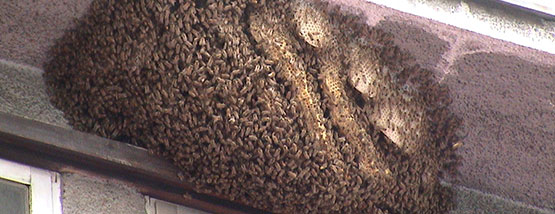
Honey bees can be elusive, but several signs can reveal their presence. Recognizing these indicators is crucial for effective honey bee control. Keep an eye out for the following signs:
1. Distinctive Behaviors
Honey bee swarms typically consist of hundreds to thousands of bees, led by a queen. They often fly briefly before settling in clusters on tree branches, shrubs, or other structures.
2. Signs of Swarming
Swarms can stay in one place for an hour to several days, depending on weather conditions and the time needed for scout bees to find a new nesting site. Once a site is chosen, the swarm moves.
3. Increased Activity
While honey bees don’t leave traditional tracks, you may notice heightened activity around flowers, gardens, and potential nesting sites. Occasionally, bee droppings can be found near the hive or on surfaces below their flight path.
MAIN ISSUES
Why Choose Bobcat Wildlife & Pest Control

What a great experience Ronnie Hayes came to our place he came to our place assessed that we had a few raccoons in our attic. He even put a trap on the roof and for them out the same day then the relocated them. For a very responsible place.


Highly recommend using this company for any pest control needs and or wildlife issues.

Bobcat Wildlife & Pest Management came to my house to deal with a serious bat problem. I have had no issues with bats since they came, and the guy who did the work on my house was thorough and took obvious pride in his work. They are knowledgeable and thorough and don’t take the easy way out. It was clear that they really cared about solving my bat issue and I highly recommend them to anyone with a bat problem.

Knowledgeable, careful, and insightful-I had the opportunity to meet with Nicole Spaulding from Bobcat Wildlife and Pest Management to learn more of what she does and to ask questions about their industry, fearing it affected my own (outdoor aquatic stock growth).She took the time to share with me the ins-and-outs of her industry, genuinely caring for my concerns, resolving them completely in the end.

Highly recommend this group!!! Within 24 hours of my “something stinks” panic call, one of the techs, Ronnie, was at our place taking care of the animals that found their final resting place in our vents… and patched it up so we wouldn’t have this happen again. On time, efficient, and very knowledgeable!!

They do an amazing job with our pest control and keeping all the mosquitos at bay. I really appreciate how caring & respective Gene is towards these animals and rodents…
Jared was super helpful, set up traps, and we are looking forward to a raccoon free attic.

Thank you so much! We debated calling for a long time. When I finally did Blake came the very next day and trapped the squirrel who was the culprit of the damage. He fixed the damage too! We are so happy we finally called, wish we would have done it sooner! Thanks Blake!
Des Moines Honey Bee Removal FAQs
How do I know if I have honey bees on my property in Des Moines, IA?
Common signs of honey bees include seeing large numbers of bees flying around the same area, noticing bees entering a small opening repeatedly, or discovering a cluster of bees gathered together.
Property owners in Des Moines often notice:
- Bees flying in and out of wall gaps or rooflines
- Increased bee activity around a specific area
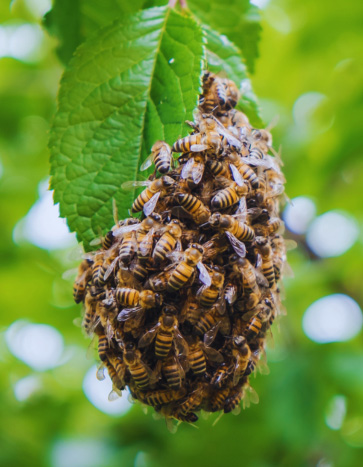
- Clusters of bees hanging from trees or structures
- Buzzing sounds coming from inside walls or voids
One overlooked sign is consistent bee traffic to the same opening. This can indicate an established colony nearby.
Bobcat Wildlife & Pest Management helps identify active honey bee activity and determine the best next steps.
What's the difference between honey bees, yellow jackets, and wasps?
Honey bees are generally rounder and fuzzier than wasps and yellow jackets. They are also important pollinators that help support plants, gardens, and agriculture.
A few common differences include:
- Honey bees have a fuzzy appearance
- Wasps and yellow jackets have smoother bodies
- Honey bees primarily collect pollen and nectar
- Yellow jackets are often attracted to food and sugary drinks
Many Des Moines homeowners mistake yellow jackets for honey bees, which can lead to choosing the wrong removal approach.
Bobcat Wildlife & Pest Management helps correctly identify the insect before recommending a solution.
Are honey bees dangerous around a home or business?
Honey bees are usually not aggressive when they are away from their colony.
However, they may sting if they feel threatened or if someone gets too close to their hive.
Potential concerns include:
- Increased risk of stings near active colonies
- Activity around entryways and outdoor spaces
- Concerns for individuals with bee sting allergies
- Colonies located inside structures
Many Des Moines property owners are surprised to learn that honey bees are often less aggressive than yellow jackets.
Bobcat Wildlife & Pest Management helps assess the situation and determine whether removal may be necessary.
Where do honey bees usually build nests or colonies?
Honey bees like to stay in safe spots where they are protected from the weather and animals.
They usually make their homes in hollow trees, but they can also live in backyards and buildings.
Common colony locations include:
- Wall voids and structural cavities
- Attics and rooflines
- Chimneys and soffits
- Hollow trees and outdoor structures
Many colonies remain hidden until property owners notice consistent bee activity.
Bobcat Wildlife & Pest Management helps locate colonies and identify where bees may be entering a structure.
What should I do if I find a honey bee swarm?
If you find a honey bee swarm, the best approach is to keep a safe distance and avoid disturbing the bees.
Swarms often occur when a colony is relocating to a new nesting location.
If you discover a swarm:
- Keep children and pets away from the area
- Avoid spraying or disturbing the bees
- Do not attempt to move the swarm yourself
- Monitor the location from a safe distance
Many Des Moines residents assume a swarm is automatically aggressive, but swarming bees are often focused on finding a new home.
Bobcat Wildlife & Pest Management helps evaluate swarms and determine the most appropriate course of action.
Can honey bees damage walls, siding, or structures?
Yes. Honey bees don't eat wood like some bugs, but if a hive is inside a building, it can cause issues later on.
Property owners may experience:
- Honeycomb built inside wall voids
- Honey and wax accumulating in hidden spaces
- Staining on walls or ceilings
- Increased attraction of other insects to the area
Old bee comb can still bring bees back later.
Bobcat Wildlife & Pest Management helps identify colony locations and evaluate any structural concerns.
Why should honey bee removal be handled carefully?
Getting rid of honey bees takes a lot of planning. Honey bees help flowers grow, so we need to be careful with them. They are treated differently from other insects that sting.
Common challenges include:
- Correctly identifying the insect species
- Locating the full colony rather than visible bees
- Preventing future colony activity
- Addressing honeycomb left behind inside structures
Many Des Moines property owners focus on the visible bees but overlook the colony itself.
Bobcat Wildlife & Pest Management helps ensure the situation is evaluated properly before action is taken.
What does professional honey bee removal usually include?
Professional honey bee removal typically begins with an inspection to identify where the bees are located, how long the activity has been present, and whether a colony has become established.
Depending on the situation, the process may include:
- Evaluating active bee activity
- Identifying colony locations and access points
- Assessing potential structural concerns
- Recommending removal and prevention options
Bobcat Wildlife & Pest Management helps people in Des Moines with bee problems. They can take away bees that are there now and stop more from coming later.
How can I prevent honey bees from nesting near my property again?
Preventing future honey bee activity often involves reducing access to sheltered spaces where colonies may become established.
Long-term prevention may involve:
- Sealing gaps and openings around structures
- Repairing damaged siding or exterior materials
- Monitoring areas with previous bee activity
- Addressing attractive nesting locations early
Many Des Moines property owners experience better results when prevention measures are implemented soon after removal.
Bobcat Wildlife & Pest Management helps identify practical strategies that reduce future colony activity.
When should I call Bobcat Wildlife & Pest Management for honey bee removal?
You should consider contacting Bobcat Wildlife & Pest Management when bee activity becomes consistent, a swarm appears on your property, or bees are repeatedly entering the same area of a structure.
Early action may help protect:
- Homes and residential structures
- Outdoor gathering areas
- Commercial properties and entrances
- Wall voids, attics, and rooflines
Many people in Des Moines call for help when they notice bees buzzing around or find a nest inside their building.
An inspection can help find out how big the problem is and what can be done about it.