
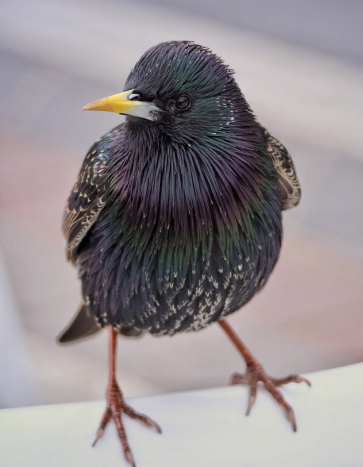
WHY IS STARLING CONTROL CRUCIAL?
Starlings multiply fast, and once they choose your home for winter shelter, the mess and noise escalate quickly.
These birds look for warm openings during cold months, which makes vents, soffits, and roof gaps prime targets.
Left alone, starling activity creates constant cleanup, unhealthy droppings, and hidden damage that grows harder to manage over time. Early control prevents the problem from spreading.
1. Ongoing Mess & Droppings
Starling droppings stick to siding, decks, and walkways. The buildup is unsightly, spreads easily in wet weather, and can carry bacteria that affect the health of your home’s environment.
2. Nesting in Vents & Structures
Starlings squeeze into attic vents, dryer lines, and small gaps to escape winter cold. Their nests block airflow, reduce dryer efficiency, and increase the risk of overheating or poor air circulation inside your home.
3. Long-Term Property Damage
Droppings and nesting materials can stain, corrode, and weaken surfaces like paint, metal, and siding. When activity happens near the roofline or in tight spaces, the damage becomes more costly to repair.
If starlings are becoming a problem around your home in Des Moines or nearby Iowa communities, Bobcat Wildlife & Pest Management offers safe and effective removal to clear the mess and prevent new nesting.
Schedule Service today and protect your home from growing damage.
STARLING REMOVAL SERVICES
At Bobcat Wildlife & Pest Management, we do more than chase starlings away. We identify how they get in, remove them safely, and put measures in place so they cannot return. Here is what you can expect when you choose our team.
With years of experience handling starling problems across Iowa, Bobcat Wildlife & Pest Management delivers the results you need—with the care and respect your home deserves.
OUR STARLING REMOVAL PROCESS
At Bobcat Wildlife & Pest Management, our process is designed to remove starlings efficiently and keep them from returning. Every step is handled with accuracy and care to ensure your property stays protected.
WHAT IF IT’S NOT STARLINGS?
If you are dealing with other wildlife or pest issues, Bobcat Wildlife & Pest Management can help with a full range of services designed to keep your home protected.
🦝 Handling Diverse Wildlife
We use safe, humane methods to remove raccoons, squirrels, and other wildlife. Our approach focuses on quick control and preventing animals from returning.
🐜 Insect Troubles? No Problem
Our insect control solutions target common indoor and outdoor pests. We treat the source of the issue and provide guidance to help keep insects from coming back.
🐀 Rodents Running Rampant?
We specialize in fast, effective removal of mice, rats, and other rodents. Our process clears active infestations and helps secure your home against future entry.
HOW TO SPOT STARLING ACTIVITY
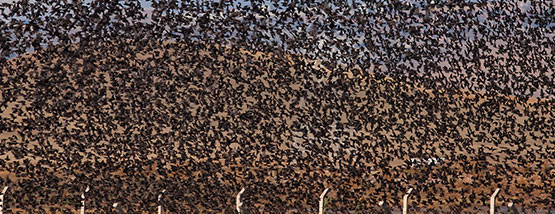
Starlings are prevalent in various environments, and recognizing signs of their presence is key to effective removal. Look out for these signs:
1. Calls and Movements
Listen for starlings’ loud, warbling calls around crevices, tree cavities, or vents, signaling active nesting throughout the day.
2. Visible Nests
Spot starling nests made of twigs in nooks on buildings, tree branches, or concealed spots like dryer vents and bath fan vents.
3. Dropping Accumulations
Watch for substantial droppings under nesting areas. Persistent accumulation often indicates active nests, especially below vents and overhangs.
MAIN ISSUES
Why Choose Bobcat Wildlife & Pest Control

Bobcat Wildlife & Pest Management came to my house to deal with a serious bat problem. I have had no issues with bats since they came, and the guy who did the work on my house was thorough and took obvious pride in his work. They are knowledgeable and thorough and don’t take the easy way out. It was clear that they really cared about solving my bat issue and I highly recommend them to anyone with a bat problem.

Highly recommend using this company for any pest control needs and or wildlife issues.
Jared was super helpful, set up traps, and we are looking forward to a raccoon free attic.

Thank you so much! We debated calling for a long time. When I finally did Blake came the very next day and trapped the squirrel who was the culprit of the damage. He fixed the damage too! We are so happy we finally called, wish we would have done it sooner! Thanks Blake!

They do an amazing job with our pest control and keeping all the mosquitos at bay. I really appreciate how caring & respective Gene is towards these animals and rodents…

Highly recommend this group!!! Within 24 hours of my “something stinks” panic call, one of the techs, Ronnie, was at our place taking care of the animals that found their final resting place in our vents… and patched it up so we wouldn’t have this happen again. On time, efficient, and very knowledgeable!!


What a great experience Ronnie Hayes came to our place he came to our place assessed that we had a few raccoons in our attic. He even put a trap on the roof and for them out the same day then the relocated them. For a very responsible place.

Knowledgeable, careful, and insightful-I had the opportunity to meet with Nicole Spaulding from Bobcat Wildlife and Pest Management to learn more of what she does and to ask questions about their industry, fearing it affected my own (outdoor aquatic stock growth).She took the time to share with me the ins-and-outs of her industry, genuinely caring for my concerns, resolving them completely in the end.
Frequently Asked Questions About Starling Removal Services in Des Moines, IA
How do I know if I have starlings nesting on my property in Des Moines, IA?
You can see signs of starlings when you notice many birds hanging around a building, hear a lot of chirping, or find sticks and other materials near vents, roofs, or openings.
Property owners in Des Moines often notice:
- Groups of birds arriving at the same location daily
- Twigs, grass, and nesting debris near structures
- Birds entering vents, soffits, or small openings
- Droppings accumulating beneath roosting areas
One unique sign of starlings is that they often gather in larger flocks than many other nuisance birds.
Bobcat Wildlife & Pest Management helps identify active nesting and roosting areas before the problem grows.
Why are starlings gathering around my home or business?
Starlings like to be in places where they can stay safe, make nests, and find food.
Buildings give them good hiding spots from danger and bad weather.
Common attractants include:
- Building openings and vents
- Roof overhangs and soffits
- Nearby food and water sources
- Large roosting areas with minimal disturbance
Many Des Moines property owners are surprised to learn that starlings often attract additional birds once a nesting site becomes established.
Bobcat Wildlife & Pest Management helps identify conditions that may be encouraging continued starling activity.
Where do starlings usually build nests on buildings?
Starlings prefer enclosed or partially enclosed spaces that offer protection from weather and predators.
They frequently take advantage of man-made structures.
Common nesting locations include:
- Dryer and exhaust vents
- Roof soffits and fascia areas
- Building signs and awnings
- Warehouse and commercial structures
Many Des Moines businesses discover starling nests only after airflow becomes restricted or bird activity becomes highly noticeable.
Bobcat Wildlife & Pest Management helps locate nesting sites and evaluate removal options.
Are starling droppings or nests a problem for properties?
Yes. Starling droppings and nesting materials can create sanitation concerns, unpleasant odors, and maintenance issues around a property.
Property owners in Des Moines often experience:
- Droppings around entrances and walkways
- Nest debris inside vents and openings
- Increased cleaning requirements
- Strong odors near active nesting areas
Big groups of starlings can make a lot of mess quickly.
Bobcat Wildlife & Pest Management helps identify affected areas and recommend appropriate solutions.
Can starlings damage vents, gutters, signs, or rooflines?
Yes. Starlings can contribute to property issues when nesting materials accumulate inside structural features and utility openings.
Property owners may notice:
- Blocked dryer or exhaust vents
- Nest debris in gutters
- Nesting activity behind signs
- Repeated bird activity along rooflines
Many people in Des Moines look at the birds outside, but they don’t see the nests that might be inside their homes.
Bobcat Wildlife & Pest Management helps identify areas where starling activity may be causing ongoing maintenance concerns.
Why do starlings keep coming back after nests are removed?
Starlings often return because the conditions that attracted them have not changed.
If nesting and roosting areas remain accessible, birds may attempt to rebuild or return during future seasons.
Recurring starling activity often happens when:
- Entry points remain open
- Previous nesting sites are still available
- Nearby food sources remain accessible
- Existing starling flocks remain active nearby
Many Des Moines property owners remove nests only to see birds return a short time later.
Bobcat Wildlife & Pest Management helps identify the conditions that contribute to recurring starling problems.
Can DIY starling removal cause problems?
Yes. DIY starling removal can be challenging because nesting sites are often hidden inside vents, rooflines, signs, and other difficult-to-access areas.
Common issues include:
- Missing hidden nests
- Overlooking multiple nesting locations
- Failing to address access points
- Delaying action while activity spreads
Many people in Des Moines try quick fixes for their problems, but those fixes don’t really work.
Bobcat Wildlife & Pest Management helps evaluate the extent of starling activity and recommend appropriate next steps.
What does professional starling removal usually include?
Professional starling removal typically begins with an inspection to identify nesting sites, roosting areas, and points where birds are accessing the structure.
Depending on the property, the process may include:
- Evaluating active nesting and roosting activity
- Identifying entry points and problem areas
- Removing nesting materials when appropriate
- Recommending exclusion and prevention measures
Bobcat Wildlife & Pest Management helps Des Moines property owners address both current starling activity and future prevention opportunities.
How can I prevent starlings from nesting again?
Preventing starlings from returning usually requires reducing access to the locations they use for nesting and roosting.
Long-term prevention may involve:
- Limiting access to nesting areas
- Closing common entry points
- Modifying attractive roosting locations
- Addressing recurring activity early
Many people in Des Moines do better when they ask for help from experts and use ways to stop problems before they start.
Bobcat Wildlife & Pest Management helps identify practical strategies that discourage future starling activity.
When should I call Bobcat Wildlife & Pest Management for starling removal?
You should consider contacting Bobcat Wildlife & Pest Management when starling activity becomes consistent, nesting materials continue appearing, or large groups of birds repeatedly gather around the property.
Early action may help protect:
- Building vents and openings
- Commercial entrances and signs
- Rooflines and overhangs
- Customer-facing areas of a business
Many Des Moines property owners seek professional help after noticing growing bird populations or recurring nesting activity despite their own efforts.
A professional inspection can help determine how extensive the activity has become and what options may be available.