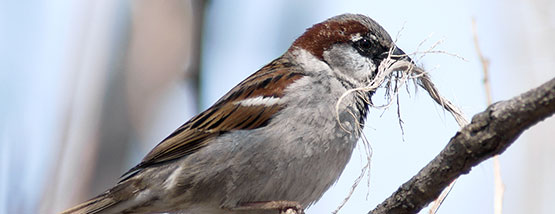
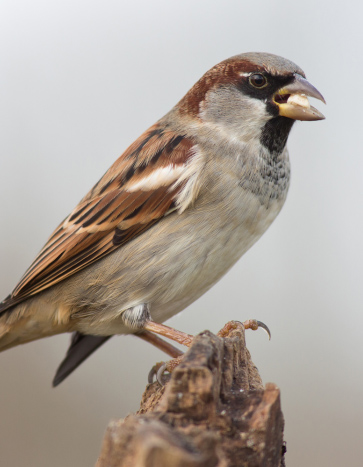
House sparrow perched on wood – Sparrow Removal Services in Des Moines, IA by Bobcat Wildlife & Pest Management

WHY IS SPARROW CONTROL VITAL?

During winter, sparrows look for warm shelter around homes, bringing more noise, droppings, and debris into areas where people spend time.

The longer they stay, the more they affect the cleanliness and safety of your home.

Addressing sparrow activity early helps prevent health risks, indoor contamination, and constant cleanup during the colder months.

1. Ongoing Mess & Droppings

Sparrow droppings build up fast near warm areas like vents and entry points. Their waste can carry bacteria, and cold weather makes the mess harder to clean and more likely to spread.

2. Nesting in Vents & Structures

When sparrows enter dryer vents or attic gaps, they bring debris, feathers, and mites. Blocked vents restrict airflow and can circulate dust or contaminants into the home during winter heating.

3. Long-Term Property Damage

Moisture from snow mixes with nests and droppings, staining surfaces and weakening siding or shingles. These conditions also contribute to odors and poor air quality around your home.

We help homeowners across Des Moines and nearby Iowa communities manage sparrow issues safely and prevent winter-related risks.

Schedule Service today to protect your home and family.

SPARROW REMOVAL SERVICES

Removing sparrows and keeping them away takes a full, well-planned approach. We address both the birds and the conditions that attract them, making sure the problem does not return after winter.

Here’s what you can expect when you hire us:

  • Safe, Humane Sparrow Removal

    We use effective, low-stress methods that remove sparrows without harming them or damaging your home. Our approach keeps the process clean and controlled from start to finish.

  • Detailed Property Assessment

    We check vents, soffits, attic gaps, and other warm winter entry points to locate nests and signs of activity. This ensures no hidden areas are missed.

  • Long-Term Prevention

    To keep sparrows from returning, we install proven deterrents and recommend fixes based on your home’s layout. This stops repeat nesting during and after the cold season.

  • Health and Environmental Safety

    Our methods avoid harsh chemicals and follow all local safety guidelines. They are safe for your family, pets, and the surrounding environment.

  • Customized Solutions

    Every property is different. Whether you have a single nest or multiple problem areas, we create a plan tailored to your home and the level of activity.

OUR SPARROW REMOVAL PROCESS

At Bobcat Wildlife & Pest Management, we provide thoughtful, precise solutions designed to remove sparrows and prevent long-term issues. Our careful process keeps your space protected and sparrow-free.

WHAT IF IT’S NOT SPARROWS?

If you are dealing with more than sparrows this winter, we can help. Our team is trained to handle a wide range of wildlife and pest issues that become more active around homes during colder months.

  • Handling Diverse Wildlife

    From raccoons in the attic to squirrels searching for warm shelter, we use safe and humane methods to remove wildlife and prevent further access to your home.

  • Insect Troubles? No Problem

    Cold weather often pushes insects indoors. Our targeted treatments eliminate ants, spiders, and other pests and include steps to reduce future activity.

  • Rodents Running Rampant?

    Mice and rats are especially active in winter as they seek heat and food. Our proven rodent control methods quickly remove them and help keep your home protected.

HOW TO SPOT SPARROW ACTIVITY

Bats nesting in attic space

Sparrows often stay active around homes during winter as they look for warmth and shelter. Identifying the early signs helps you stop nesting before it spreads.

1. Chirps and Activity

Listen for repeated chirping early in the morning or before sunset. Winter sparrows often gather near warm spots such as porch lights, vents, or sheltered corners where they prepare nesting materials.

2. Visible Nests

Check eaves, rafters, soffits, and vent openings for compact nests made of grasses, paper, or small twigs. Sparrows also choose tight, unexpected spots like gaps in siding, storefront signs, or around gas flues.

3. Dropping Accumulations

Look for clusters of droppings under ledges, vents, porch roofs, or bushes. These piles usually indicate an active nesting site directly above, especially if they increase during colder weeks.

MAIN ISSUES

  • Safety

  • Damage of Property

  • Contamination of Property

Frequently Asked Questions

During winter, sparrows actively look for warm, sheltered places to escape freezing temperatures, snow, and strong wind. Homes in Des Moines offer heat leaking from vents, soffits, attic gaps, and dryer exhaust openings.

These spots create ideal microclimates where sparrows can survive, gather nesting materials, and stay protected from predators. Even small gaps in siding or roofing can attract them during extreme cold spells.

Once sparrows discover a warm entry point, they return repeatedly throughout the entire winter season. They often bring feathers, grass, paper, and debris to build nests that get larger over time. Without early removal, their presence can escalate into ongoing noise, contamination, and structural damage, especially as winter pushes them deeper into your home’s openings.

Sparrows themselves aren’t aggressive, but the health risks come from their droppings, feathers, and nesting debris. Sparrow droppings can contain bacteria and fungal spores, and when the buildup dries out indoors, heating systems can circulate contaminated dust back into living spaces.

This is especially concerning during winter when homes are sealed tightly and airflow is limited. Pets may also come in contact with mites or parasites that hitchhike in sparrow nests.

Birds nesting too close to entrances, siding gaps, or vents increase the chances of indoor contamination. Removing sparrows early helps maintain safer air quality and prevents these health-related issues from growing worse during winter months.

Sparrows tend to choose tight, narrow openings such as dryer vents, kitchen exhaust vents, and attic gaps. Their nests are small and messy, made mostly of grasses, paper scraps, feathers, and twigs.

You’ll often hear consistent, light chirping or fluttering during early mornings and late afternoons. These are common identifiers that point specifically to sparrows. If the sounds are louder, more aggressive, or involve scratching and thumping, you may be dealing with starlings or pigeons instead.

These species create larger, bulkier nests. A quick professional inspection helps you identify the exact bird before removal, ensuring the right strategy is used and preventing accidental damage to your vent system.

Sparrow droppings may carry bacteria and fungal spores that pose respiratory risks, especially when they accumulate in damp winter conditions. As the droppings dry and freeze, particles can become airborne and enter the home through vents or doors.

This risk increases when sparrows nest near dryer vents or soffit openings where airflow can carry contaminants inside. Droppings can also stain surfaces permanently when mixed with snow or ice, creating slippery walkways and hard-to-remove buildup.

Regular exposure, especially in high-traffic areas like porches or entryways, can become a recurring health concern. Controlling sparrow activity early reduces these risks significantly.

Sparrows are highly territorial and tend to revisit the same nesting sites every winter and spring. If an opening remains warm and unsealed, they interpret it as a safe, familiar shelter. Even after nests are removed, the scent, warmth, and prior access encourage them to rebuild in the exact same location.

Blocking entry points and installing proper deterrents are essential for breaking this cycle. Professional exclusion ensures sparrows cannot regain access and prevents new birds from discovering the same vulnerable areas. Without sealing the entry, removal alone won’t permanently stop them.

Yes. Dryer vents are one of the most common winter nesting spots for sparrows because they release steady warmth. When sparrows build inside these vents, nests trap lint, restrict airflow, and force the dryer to overheat. This combination creates a legitimate fire hazard, especially when the dryer is used more often during cold weather.

Blockages also reduce dryer efficiency, increase drying times, and push warm air back into the vent line. This can cause moisture buildup, odor, and even mold. Clearing sparrow nests early prevents both fire risks and costly appliance damage.

Light fluttering, chirping, and soft scratching are common early signs. Sparrows tend to move quickly, and their sounds often occur during sunrise or sunset when they are most active. These noises are especially noticeable near soffits, attic edges, and interior walls that border exterior siding.

If sounds become more frequent or louder, the activity may involve multiple birds or a larger nest. This often leads to additional debris, droppings, and potential insulation damage. Early detection helps prevent long-term harm to your home’s structure.

Sparrows pull at loose siding, soffit screens, and small roof gaps to create space for nests. In winter, snow and ice mix with the debris they leave behind, causing stains, corrosion, and moisture damage. Their activity often worsens existing vulnerabilities by widening small openings.

Over time, this leads to drafts, leaks, or loose shingles. Once moisture gets in, freeze-thaw cycles can expand cracks and cause even more damage. Addressing sparrow activity early protects your exterior surfaces from accelerated winter wear.

Droppings near vents or entryways usually indicate an active nest directly above. During winter, this buildup accelerates because sparrows stay close to warm openings. Calling for removal immediately prevents the contamination from spreading to more areas of your home.

A timely inspection ensures nests are removed safely and entry points are sealed before the problem grows. Waiting too long often leads to clogged vents, indoor air quality issues, and repeat cleanup.

DIY repellents such as reflective tape or noise devices may temporarily scare sparrows, but they rarely stop nesting completely. Sparrows quickly adapt to these deterrents, especially when temperatures drop and warm shelter becomes a priority.

Professional help is more reliable because it removes the birds, clears nests, and seals entry points. This ensures sparrows can’t return, which DIY methods alone cannot guarantee.

Warmth, food scraps, sheltered corners, and small entry gaps are the main attractants. Homes with open vents, loose siding, or exposed roof edges offer the type of protection sparrows prefer during winter.

Once sparrows find a reliable shelter, they return daily and often bring more birds with them. Closing gaps and removing nests reduces activity instantly and prevents larger winter gatherings.

Most sparrow removal services take one to two visits, depending on how many nests or access points are located. Cold weather may make some openings harder to reach, but winter removal is still effective.

The process includes identifying nests, clearing blockages, and sealing gaps to stop future activity. A thorough inspection ensures nothing is missed before prevention steps are applied.

Yes. Sparrows are persistent and will revisit the same openings every winter if the gap remains unsealed. Even a small space is enough for them to squeeze through and start rebuilding.

Sealing entry points and installing deterrents keeps them from returning and prevents other birds from discovering the same weaknesses. Proper exclusion is the only way to achieve long-term results.

Sparrows build small, loose nests made of grass, paper, and feathers tucked deep into vents or small cavities. Starlings create larger, bulkier nests, while swallows form mud-based structures attached to exterior walls or overhangs.

The nest location and building materials are usually enough to identify the bird species. Identifying the right bird is important because removal methods and legal guidelines differ.

Yes. All sparrow removal services use humane, low-stress techniques that remove birds safely without causing harm. We avoid harsh chemicals and unsafe tools to protect your home and the surrounding environment.

Our methods are safe for families, pets, and nearby wildlife. After removal, we secure entry points and offer preventive solutions to keep sparrows from returning to the same locations.

Why Choose Bobcat Wildlife & Pest Control

Take Care Of Your Pest Problem Today

We service the entire Des Moines, IA metro area. Contact us today for the safe and efficient removal of your pest problem.

Service Pages Form
Knowledgeable, careful, and insightful-
I had the opportunity to meet with Nicole Spaulding from Bobcat Wildlife and Pest Management to learn more of what she does and to ask questions about their industry, fearing it affected my own (outdoor aquatic stock growth).
She took the time to share with me the ins-and-outs of her industry, genuinely caring for my concerns, resolving them completely in the end.
Grant Sodders, Des Moines, Iowa
Scott Crook

What a great experience Ronnie Hayes came to our place he came to our place assessed that we had a few raccoons in our attic. He even put a trap on the roof and for them out the same day then the relocated them. For a very responsible place.

Scott Crook, Des Moines, Iowa
Alison Kanne
Bobcat Wildlife & Pest Management came to my house to deal with a serious bat problem. I have had no issues with bats since they came, and the guy who did the work on my house was thorough and took obvious pride in his work. They are knowledgeable and thorough and don’t take the easy way out. It was clear that they really cared about solving my bat issue and I highly recommend them to anyone with a bat problem.
Alison Kanne, Des Moines, Iowa
Sophia O'Brien
Nate with Bobcat Pest was great to work with! I called in about a birds nest removal. He gave the roof a full inspection, cleaned out the nest/dead birds, and returned a week later to patch the hole. Very professional service.
Sophia O'Brien, Des Moines, Iowa
Kayla Lynch Engebrecht

Highly recommend this group!!! Within 24 hours of my “something stinks” panic call, one of the techs, Ronnie, was at our place taking care of the animals that found their final resting place in our vents… and patched it up so we wouldn’t have this happen again. On time, efficient, and very knowledgeable!!

Kayla Lynch Engebrecht, Des Moines, Iowa
Molly Roffman Wosmansky

They do an amazing job with our pest control and keeping all the mosquitos at bay. I really appreciate how caring & respective Gene is towards these animals and rodents…

Molly Roffman Wosmansky, Des Moines, Iowa
Jayson Jones

Highly recommend using this company for any pest control needs and or wildlife issues.

Jayson Jones, Des Moines, Iowa
Margaret Branwen Dewey
Jared was super helpful, set up traps, and we are looking forward to a raccoon free attic.

Margaret Branwen Dewey, Des Moines, Iowa
Cortney Dierks

Thank you so much! We debated calling for a long time. When I finally did Blake came the very next day and trapped the squirrel who was the culprit of the damage. He fixed the damage too! We are so happy we finally called, wish we would have done it sooner! Thanks Blake!


Cortney Dierks, Des Moines, Iowa