Not sure when to remove bats? The best time for bat removal is before winter’s maternity season begins.

Acting early protects your home from damage, prevents health risks linked to bat droppings, and ensures the removal process stays legal and humane.

In this guide, you’ll learn why timing matters, what happens during bat maternity season, and how to keep your home safe by acting before bats begin raising their young.
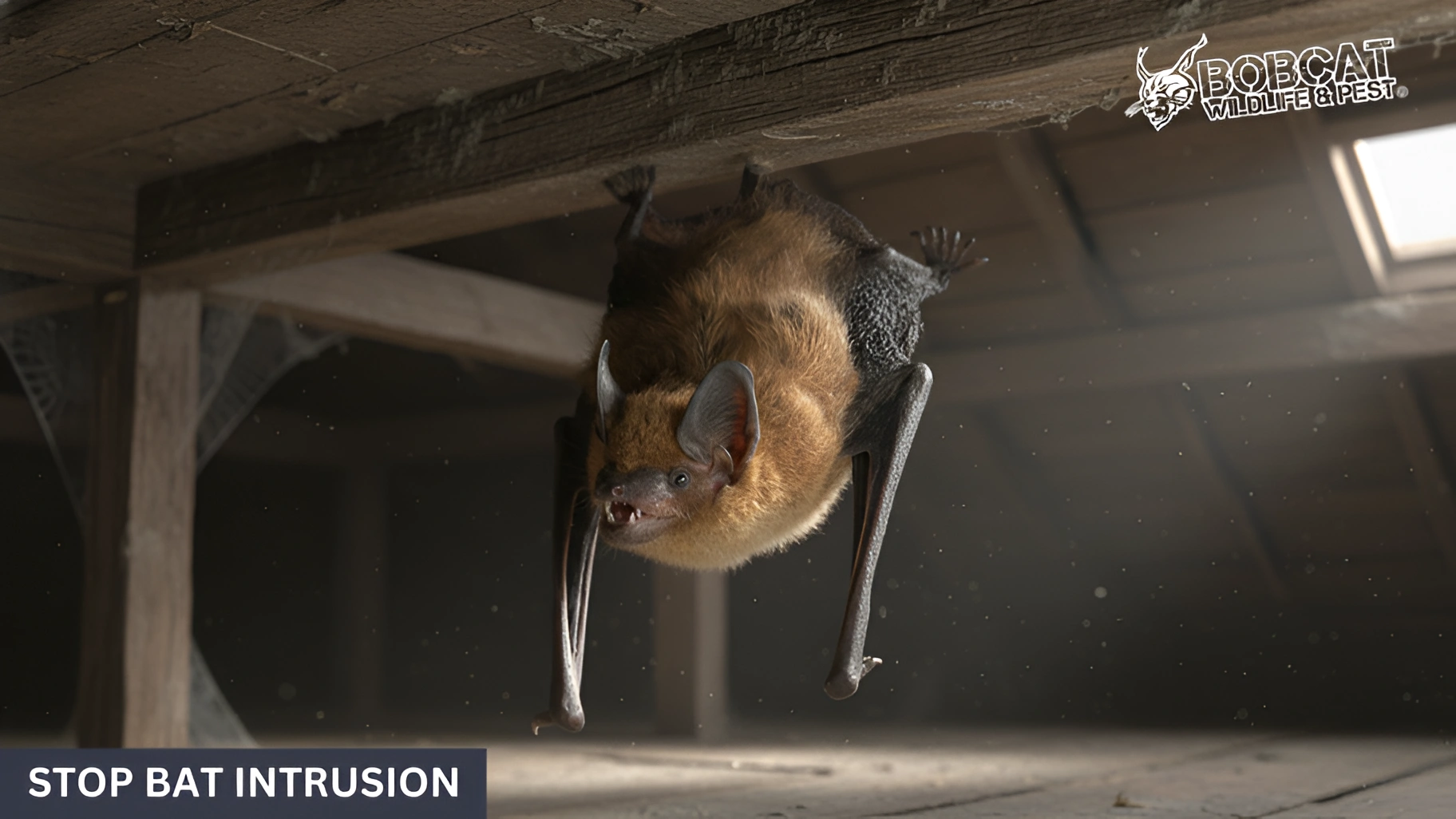
Big brown bat hanging in a dim Des Moines attic, shown in an image for Bobcat Wildlife & Pest explaining the best time for bat removal

What You’ll Find in This Guide:

What Is Bat Maternity Season, and Why Does It Matter for Your Home?

Bat maternity season is the time when female bats give birth and raise their pups.

During this period, the young can’t fly, and removing bats becomes unsafe and often legally restricted.

Here’s why this timing matters for your home:

  • Pups can’t survive alone — excluding bats too late may leave baby bats trapped inside your attic.

  • Most states restrict removal during maternity season to protect dependent pups.

  • Damage gets worse if you wait, since bats stay active inside the attic until pups can fly.

By dealing with the problem before maternity season for bats begins, you make sure removal is safe, humane, and far less disruptive to your home.
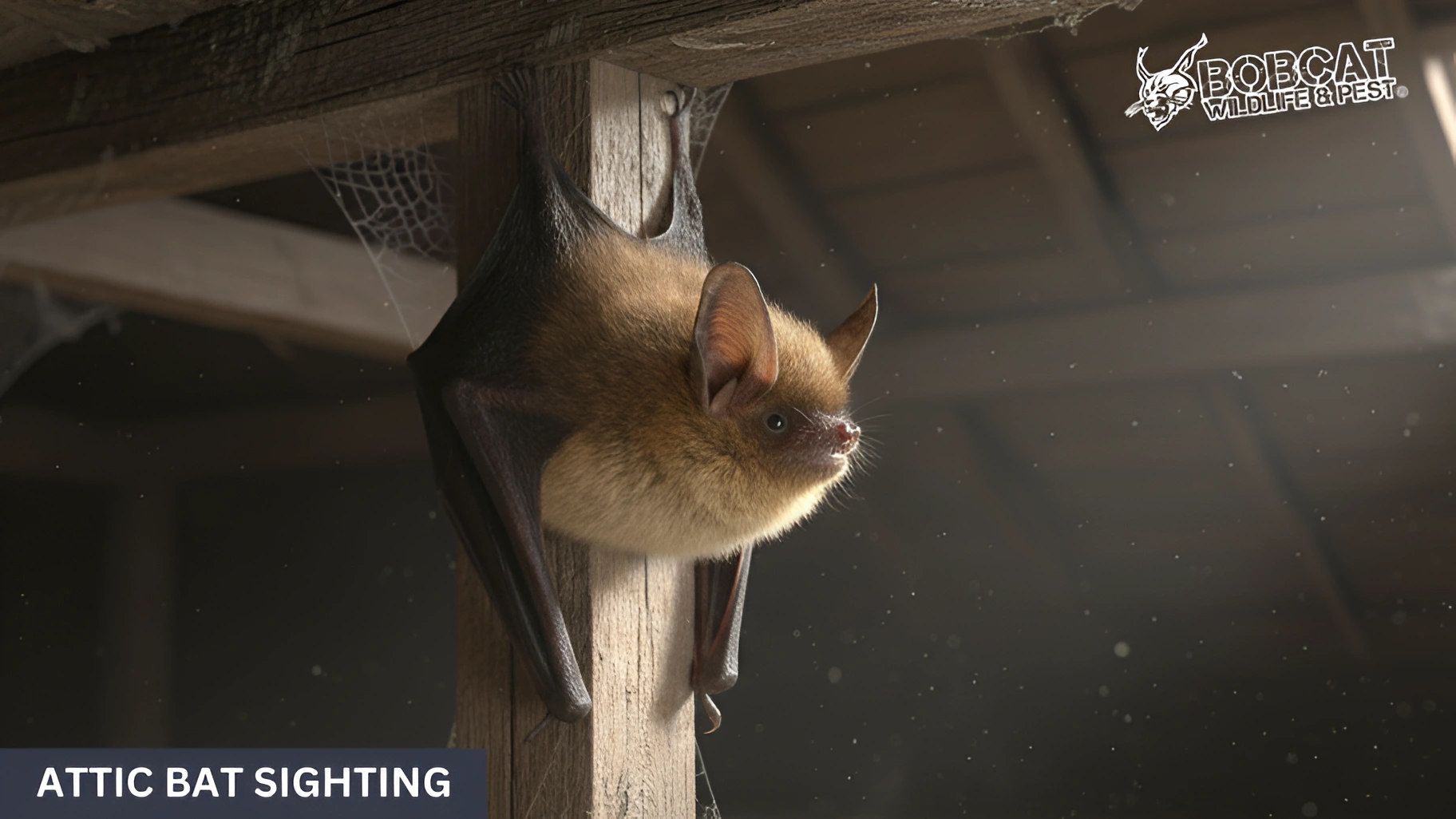
Northern Long-Eared Bat hanging from an attic beam in Des Moines, with Bobcat Wildlife & Pest providing expert advice on the best time for bat removal before winter's maternity season

When Should I Remove Bats? The Best Time for Bat Removal

The best time for bat removal is in late fall or early spring, before bats begin settling in for winter or preparing for maternity season.

During these periods, bats are mobile and not caring for pups, which makes removal straightforward and safe.

Here’s why these seasons work best:

  • Bats can leave on their own once exclusion devices are installed.

  • The colony is smaller, making the process faster and easier.

  • Attic damage is still manageable, allowing you to address issues before they get worse.

Taking action during this window helps you avoid delays, higher repair costs, and the hassles that come with waiting too long.

If you’ve noticed signs of activity in your attic, scheduling removal now is the most effective way to keep your home protected.

Why Bat Exclusion Before Winter Is Crucial for Your Home’s Safety

Winter changes how bats behave inside your home.

When temperatures drop, bats stay inside your attic for longer stretches, which can create problems that don’t happen as often during warmer months.

Here’s what winter brings that homeowners don’t always expect:

  • Bats cluster deeper into insulation to stay warm, which makes locating and removing them harder.

  • Moisture builds up faster as warm indoor air meets the cold attic space, mixing with guano and creating strong odors.

  • Insulation can compress or become saturated, reducing your home’s energy efficiency and increasing heating costs.

  • Entry gaps widen in cold weather as building materials contract, giving bats more places to slip into and hide.

  • Noise and movement become more noticeable, since bats are less active outdoors and spend more time inside the structure.

Removing bats before winter prevents these cold-season problems from escalating.

It keeps the attic dry, easier to secure, and far less likely to turn into a hidden shelter for a growing colony.

How Can I Tell If Bats Are in My Attic?

Bats often stay hidden, so many homeowners don’t realize there’s a problem until the signs start to show.

If you suspect activity in your attic, here are the most common things to look and listen for:

  • Small piles of droppings (guano) near walls, beams, or insulation.

  • A noticeable, stale smell in the attic, especially as warm air rises and spreads odors through the space.

  • Scratching or fluttering sounds, especially around dusk or early morning.

  • Dark staining around small gaps or openings, caused by the oils on bats’ fur as they enter and exit.

  • Unexplained drafts, which can indicate active entry points.

If you’re noticing any of these signs, it’s best to have your attic checked as soon as possible.

Early detection makes the removal process smoother and helps prevent a small group of bats from turning into a long-term problem inside your home.

How Does the Bat Removal Process Work?

Once you know bats are in your attic, the next step is understanding how professionals safely remove them.

The process is designed to protect both your home and the bats, using methods that work without causing harm.

Here’s what a typical bat removal process looks like:

  • 1

    Inspection
    A specialist checks your attic and roofline to confirm where bats are roosting and how they’re getting inside. This helps determine the safest and most effective plan for removal.

  • 2

    Exclusion
    Professionals set up special exit-only devices that allow bats to leave the attic naturally but block them from getting back inside. This method clears the attic without trapping the animals or disrupting their natural behavior.

  • 3

    Sealing Entry Points
    After the bats have left, technicians seal every gap or opening they used to get inside. This step keeps your home protected and reduces the chances of bats returning during the next bat removal season.

  • 4

    Cleanup and Optional Restoration
    Some services also offer cleanup for guano or damaged insulation, helping restore the attic to a cleaner and safer condition.

The process is straightforward, humane, and most effective when handled by a professional.

Choosing the best time for bat removal ensures everything can be done safely and correctly, giving you confidence that your home is protected long-term.

Why Should I Choose a Professional Bat Removal Service?

Removing bats on your own sounds simple, but it often leads to bigger issues.

Without proper training, you risk trapping bats inside walls, causing accidental harm, or violating wildlife laws during protected seasons. Professional removal ensures the job is handled safely from the start.

Here’s why hiring a specialist makes a difference:

  • Correct tools and methods prevent bats from being trapped or injured.

  • Knowledge of local regulations ensures removal doesn’t violate maternity season restrictions.

  • Thorough inspections catch every entry point so bats can’t return.

  • Humane exclusion techniques keep both your home and the bats safe.

At Bobcat Wildlife & Pest Management, we use proven, humane methods like one-way exclusion devices and detailed sealing work to remove bats effectively before maternity season begins.

Choosing professionals gives you peace of mind, knowing your home is protected and the job is done right.

What Happens If I Wait Too Long to Remove Bats?

Putting off bat removal may seem harmless at first, but the longer bats stay in your attic, the more serious the problems can become.

Delays often lead to higher repair costs and more complicated removal work.

Here’s what can happen if you wait too long:

  • 1

    Structural damage grows as guano, urine, and nesting activity spread through insulation and wood.

  • 2

    Health risks increase, since droppings can carry bacteria and create strong odors that move into living areas.

  • 3

    Removal becomes harder once bats settle deeper into the attic or roost in tighter spaces.

  • 4

    Costs rise, because sealing, cleanup, and restoration become more involved over time.

Acting before maternity season for bats avoids these issues and keeps the process simple and safe.

The sooner you schedule removal, the easier it is to protect your home and prevent long-term damage.

Key Takeaways

Before bats settle in for winter or enter maternity season for bats, it’s important to take action.

The sooner you address bat activity in your attic, the easier and safer the removal process will be. Early removal helps you avoid structural damage, health concerns, and higher repair costs later.

Here’s a quick recap to keep in mind:

  • The best time for bat removal is before maternity season begins.

  • Early exclusion prevents damage to insulation, wiring, and attic materials.

  • Winter makes removal harder, as bats hide deeper in the structure.

  • Professional removal ensures safety, compliance, and long-term protection.

If you’ve noticed signs of bats in your home, now is the right time to act. Contact Bobcat Wildlife & Pest to schedule an inspection and keep your home protected.

FAQs About the Best Time for Bat Removal

During these periods, bats are not raising pups, which means exclusion can be done safely and legally.

Acting during these seasons also makes the process faster because bats are more mobile and less likely to be deep inside insulation or walls.

During bat maternity season, mother bats care for pups that cannot fly.

Removing bats at this time can trap baby bats inside your attic, leading to inhumane conditions and potential legal violations.

Waiting until pups can fly ensures safe removal for both your home and the colony.

In most parts of the U.S., maternity season for bats runs from May through early August.

During this time, pups are born and rely entirely on their mothers for survival. Removal services generally pause exclusion work until pups are fully flight-capable.

Attempting removal during maternity season can separate mothers from pups, leaving young bats to die inside attic spaces.

This often leads to strong odors, additional cleanup costs, and trouble with wildlife authorities. It’s always safer to wait until the season ends.

Fall is ideal because bats are preparing to migrate or find winter roosts. They are mobile, active, and not caring for young.

This makes fall the easiest and most humane time to install exclusion devices and seal off entry points.

Winter removal is possible but more challenging. Cold temperatures push bats deeper into walls or insulation to stay warm, making them harder to locate.

While exclusion can sometimes still occur, professionals usually recommend acting before winter to avoid complications.

Common signs include:

  • piles of guano near beams or attic corners
  • scratching, fluttering, or squeaking sounds
  • stains or smudges near roof gaps
  • strong, musty odors

If you notice any of these signs, schedule an inspection promptly.

Bat removal season refers to the months when exclusion can be safely done—typically late fall or early spring.

Bat maternity season, on the other hand, is when pups are born and cannot fly. Removal is restricted during this time to protect young bats.

In many states, yes. Wildlife laws protect bats during maternity season, making it illegal to exclude them when pups are dependent.

Violations can result in fines and additional cleanup responsibilities.

Humane exclusion uses one-way devices that allow bats to exit your attic but block them from returning.

Once all bats have safely left, technicians seal the entry points. This method avoids trapping bats and supports local ecosystems.

Most removal processes take a few days to a week, depending on the size of the colony and the number of entry points.

Cleanup or restoration services may add extra time.

DIY removal is risky. You may harm bats, violate wildlife laws, or miss hidden entry points—leading to bats returning.

Trained specialists know how to remove bats safely and correctly, especially during the best time for bat removal.

Risks include:

  • guano buildup, which can weaken insulation
  • strong odors and staining
  • introduction of parasites
  • potential exposure to rabies (rare but possible)

While bats don’t intentionally damage homes, their presence can cause costly issues over time.

The cost depends on factors like colony size, number of entry points, and cleanup needs.

Most homeowners can expect a range of several hundred to a few thousand dollars.

Professional services also help prevent future infestations, which saves money long-term.

Do not touch it. Baby bats are fragile and require expert handling. Call a professional immediately.

They can safely reunite the pup with the colony or guide you on the next steps without violating maternity-season restrictions.

Technicians use caulking, mesh, metal flashing, and other durable materials to close gaps as small as ⅜ inch.

Each opening is sealed after confirming all bats have exited through exclusion devices.

The fastest safe method is to schedule a professional inspection during bat removal season (fall or early spring).

Experts can quickly install exclusion devices and seal gaps, ensuring a humane and legally compliant process.

Attics offer everything bats need—warmth, darkness, safety, and quiet.

Small gaps in roofing or fascia provide easy entry, and insulation creates a comfortable roosting area, especially during colder months.

If entry points are not properly sealed, bats can return. Professional services ensure all access points are closed after exclusion. With thorough sealing, bats typically will not re-enter.

Prevention steps include:

  • sealing cracks or openings around your roof
  • repairing loose shingles or siding
  • screening attic vents and chimneys
  • scheduling annual inspections

These small steps help keep your home secure during future bat removal seasons.

Gene Spaulding Des Moines, IA Branch Operator
About the Author

Gene Spaulding, Owner and Founder of Bobcat Wildlife & Pest Management, has been at the forefront of pest and wildlife control since 2008. With over 17 years of hands-on experience, Gene combines his expertise and passion to deliver effective and humane pest management solutions to homeowners and businesses across the Des Moines Metro area. Guided by the motto “Your Property, Our Priority,” Gene ensures that Bobcat Wildlife & Pest Management remains a trusted partner for comprehensive pest and wildlife services.