
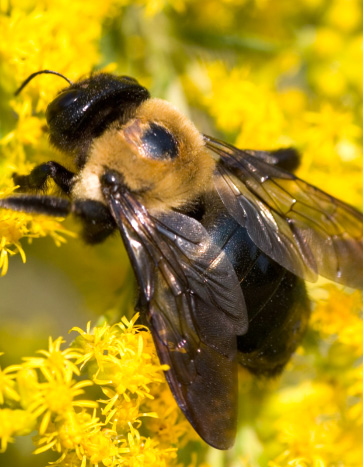
Why Control Carpenter Bees?
Carpenter bee removal is essential to prevent significant structural damage caused by carpenter bee infestations. If left untreated, the tunnels these bees create can weaken wooden structures, leading to costly repairs. Understanding the importance of timely carpenter bee removal can save homeowners from the hassles of extensive damage.
1. Prevent Structural Damage
Professional control can help prevent further damage.
2. Avoid Stings
Although male carpenter bees cannot sting, females can when threatened.
3. Maintain Aesthetic Appeal
Keep your property looking pristine and free from unsightly holes and stains caused by carpenter bee activities.
Carpenter Bee Removal Services
Here at Bobcat Wildlife & Pest control, we extend specialized services to curb carpenter bee invasions, ensuring your premises remain secure and visually appealing.

A Closer Look at Carpenter Bees
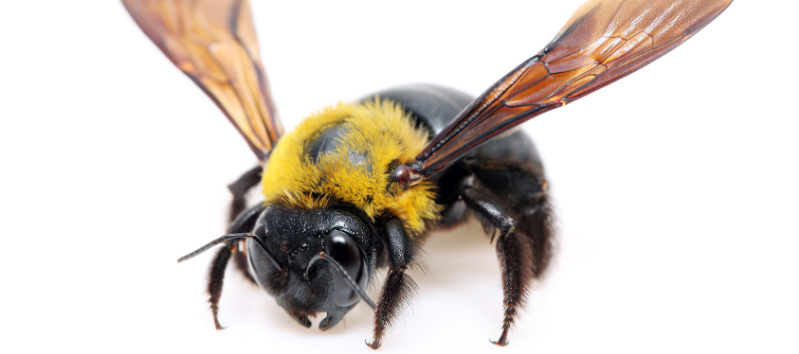
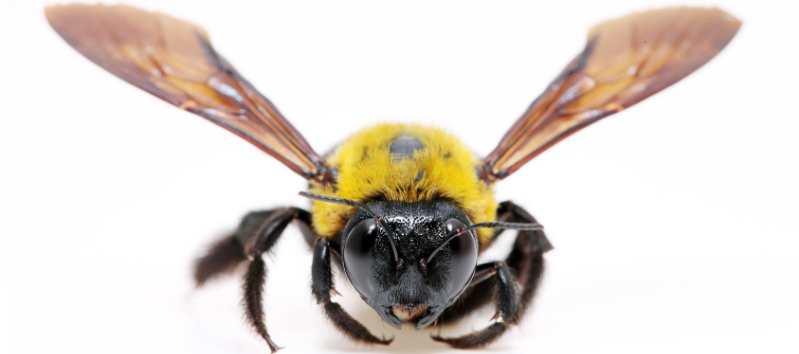
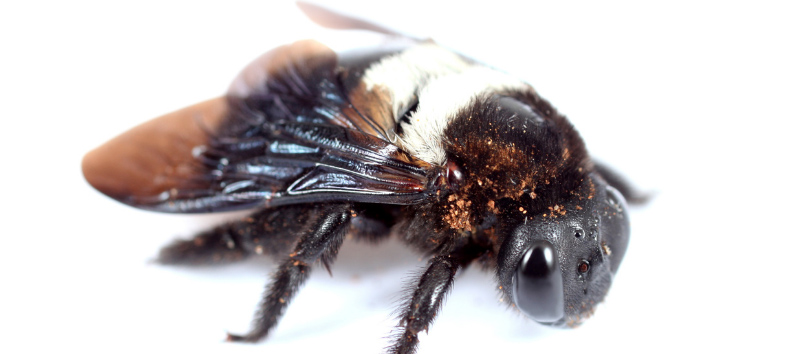
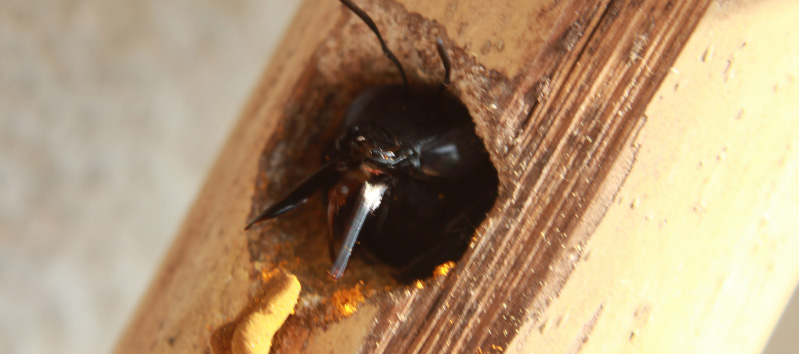
Carpenter bees are solitary critters known for their knack of drilling into wood to establish their nests. Unlike wood-eating termites, they carve out tunnels for nesting, which can be destructive over time. Their buzz gets louder from spring till the early days of summer.
Our Carpenter Bee Control Process
Not a Carpenter Bee Infestation?
How to Spot Carpenter Bee Activity
Identifying the indicators of a carpenter bee’s presence is crucial for timely and effective intervention. Keep an eye out for:
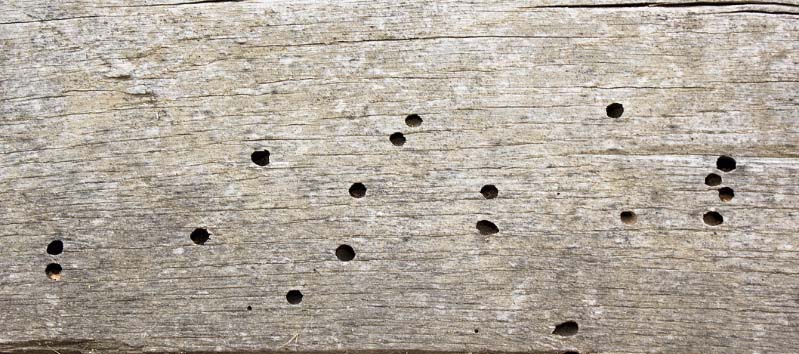
Wooden Holes
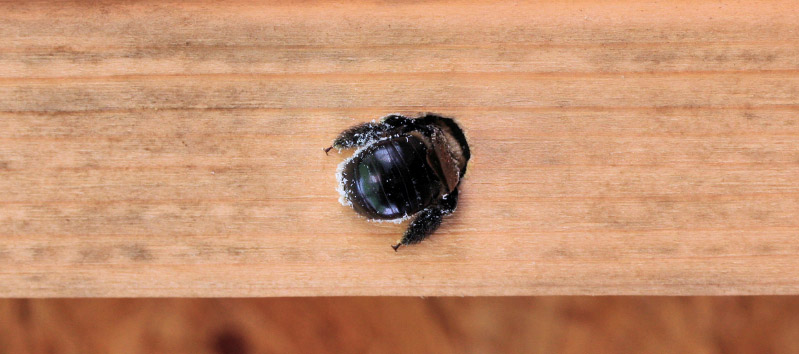
Look for neat, round holes in wooden structures, particularly in untreated wood and common areas like decks.
Sawdust
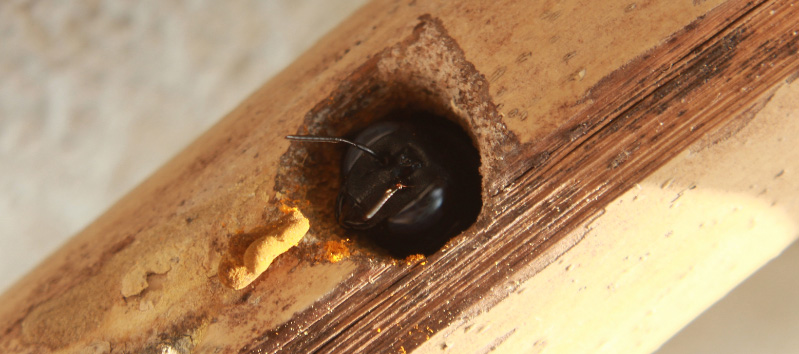
You may notice sawdust beneath the holes, which is the debris from their drilling.
Wood Damage
Over time, the wooden structures may show signs of weakening.
Why Choose Bobcat Wildlife & Pest Control

What a great experience Ronnie Hayes came to our place he came to our place assessed that we had a few raccoons in our attic. He even put a trap on the roof and for them out the same day then the relocated them. For a very responsible place.

Thank you so much! We debated calling for a long time. When I finally did Blake came the very next day and trapped the squirrel who was the culprit of the damage. He fixed the damage too! We are so happy we finally called, wish we would have done it sooner! Thanks Blake!

They do an amazing job with our pest control and keeping all the mosquitos at bay. I really appreciate how caring & respective Gene is towards these animals and rodents…

Bobcat Wildlife & Pest Management came to my house to deal with a serious bat problem. I have had no issues with bats since they came, and the guy who did the work on my house was thorough and took obvious pride in his work. They are knowledgeable and thorough and don’t take the easy way out. It was clear that they really cared about solving my bat issue and I highly recommend them to anyone with a bat problem.


Knowledgeable, careful, and insightful-I had the opportunity to meet with Nicole Spaulding from Bobcat Wildlife and Pest Management to learn more of what she does and to ask questions about their industry, fearing it affected my own (outdoor aquatic stock growth).She took the time to share with me the ins-and-outs of her industry, genuinely caring for my concerns, resolving them completely in the end.

Highly recommend using this company for any pest control needs and or wildlife issues.

Highly recommend this group!!! Within 24 hours of my “something stinks” panic call, one of the techs, Ronnie, was at our place taking care of the animals that found their final resting place in our vents… and patched it up so we wouldn’t have this happen again. On time, efficient, and very knowledgeable!!

Jared was super helpful, set up traps, and we are looking forward to a raccoon free attic.
Des Moines Carpenter Bee Removal FAQs
How do I know if I have carpenter bees around my home in Des Moines, IA?
Common signs of carpenter bees include perfectly round holes in wood, sawdust beneath those holes, and large bees hovering around decks, eaves, fences, or siding.
Des Moines homeowners often notice:
- Make round holes that are about the size of a dime
- Small piles of coarse sawdust below wooden surfaces
- Bees repeatedly flying near the same area
- Increased activity during spring and early summer
One detail many people miss is that carpenter bees often return to the same nesting locations year after year.
Bobcat Wildlife & Pest Management helps identify active nesting sites and determine whether the activity is new or part of a recurring infestation.
What do carpenter bee holes look like?
Carpenter bee holes are usually smooth, round openings drilled directly into wood.
Unlike damage caused by other insects, the entrance hole is often nearly perfect in shape and about ½ inch wide.
Many Des Moines homeowners find these holes on:
- Deck railings
- Fascia boards
- Wooden fences
- Porch ceilings
- Outdoor furniture
The visible hole is often only the entrance. Inside the wood, carpenter bees create tunnels where they lay eggs and raise future generations.
Bobcat Wildlife & Pest Management can help determine how extensive the tunneling may be.
Why are carpenter bees drilling holes in my deck, trim, or siding?
Carpenter bees drill into wood because they are creating nesting galleries, not because they are eating the wood.
They are often attracted to:
- Unpainted or weathered wood
- Older decks and fences
- Exposed trim and fascia boards
- Areas protected from heavy rain
In Des Moines, seasonal weather can cause wood surfaces to age and crack over time, making them more attractive nesting locations.
Bobcat Wildlife & Pest Management helps identify conditions that may be encouraging carpenter bee activity around your property.
Can carpenter bees cause serious wood damage over time?
Yes. A single carpenter bee may not cause significant damage, but repeated nesting over multiple seasons can weaken wood and expand existing tunnels.
Long-term activity may lead to:
- Larger tunnel networks inside wood
- Structural weakening of wooden components
- Increased moisture intrusion through damaged areas
- Attraction of woodpeckers searching for bee larvae
Some homeowners in Des Moines don’t know that bird damage can be easier to see than holes from carpenter bees.
Bobcat Wildlife & Pest Management helps address both active infestations and future nesting risks.
Are carpenter bees dangerous or aggressive?
Carpenter bees are generally not aggressive toward people.
Male carpenter bees often hover near nesting areas and may appear intimidating, but they do not have stingers.
Female carpenter bees can sting, but this usually happens only if they are directly handled or threatened.
For most Des Moines homeowners, the bigger concern is property damage rather than personal safety.
Bobcat Wildlife & Pest Management helps safely manage carpenter bee activity while reducing the risk of future damage to wooden structures around the home.
What is the difference between carpenter bees and bumblebees?
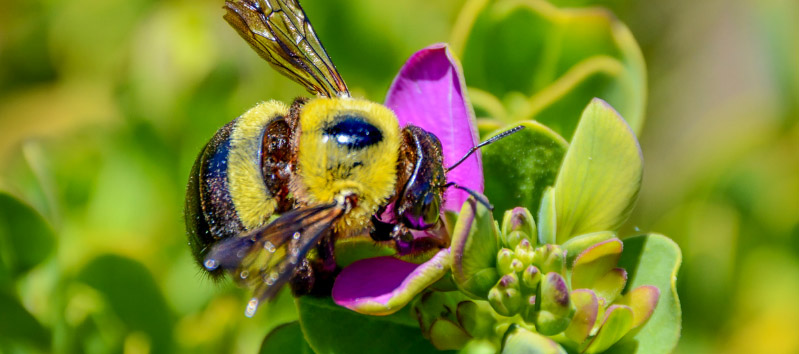
Carpenter bees and bumblebees look similar, but carpenter bees tunnel into wood while bumblebees typically nest in the ground.
A few easy ways to tell them apart include:
- Carpenter bees usually have a shiny, hairless black abdomen
- Bumblebees have a fuzzy, hairy abdomen
- Carpenter bees hover around wood surfaces and structures
- Bumblebees are more commonly seen around flowers and gardens
Many Des Moines homeowners mistake carpenter bees for harmless pollinators and do not realize wood damage is occurring until holes begin appearing in decks, fences, or trim.
Where do carpenter bees usually nest around a home?
Carpenter bees typically nest in exposed wood that provides shelter and a stable place to raise their young.
Common nesting locations around Des Moines homes include:
- Decks and railings
- Wooden fences and gates
- Porch ceilings and overhangs
- Fascia boards and trim
- Outdoor furniture and playsets
Carpenter bees often prefer areas that receive regular sunlight and are protected from heavy weather.
Bobcat Wildlife & Pest Management helps locate active nesting sites that may not be immediately visible from the ground.
Why do carpenter bees keep coming back every spring?
Carpenter bees frequently return because existing tunnels make excellent nesting sites for future generations.
Recurring activity often happens when:
- Old nesting holes remain untreated
- Tunnels inside the wood are still accessible
- Favorable nesting conditions remain unchanged
- New bees emerge from previous generations
Many Des Moines homeowners think they have a new infestation each year when, in reality, carpenter bees may be reusing or expanding tunnels that have existed for several seasons.
Bobcat Wildlife & Pest Management helps identify recurring activity and reduce the likelihood of future returns.
What does professional carpenter bee removal include?
Professional carpenter bee removal focuses on more than just eliminating active bees.
The goal is to identify nesting areas, address current activity, and help reduce future infestations.
Depending on the property, the process may include:
- Inspecting wooden structures for active nesting sites
- Treating affected areas
- Identifying hidden or previously used tunnels
- Recommending preventative measures
- Monitoring for recurring activity
Bobcat Wildlife & Pest Management helps Des Moines homeowners understand the extent of carpenter bee activity and what steps may help protect their property long term.
How can I prevent carpenter bees from damaging my home again?
To stop carpenter bees from causing damage, keep wooden areas less attractive for them. Clean up old nests before new bees come.
Helpful prevention measures include:
- Painting or sealing exposed wood
- Repairing damaged wooden surfaces
- Monitoring areas with previous activity
- Addressing old nesting holes promptly
- Scheduling inspections when recurring activity is suspected
Many carpenter bee problems begin months before homeowners notice visible damage.
Bobcat Wildlife & Pest Management helps homeowners in Des Moines identify potential risk areas early and develop a plan to reduce future carpenter bee activity.