
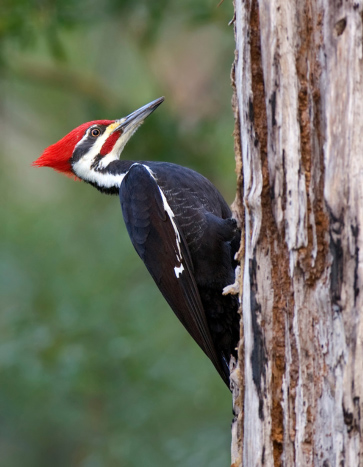
WHY CONTROL WOODPECKERS?
Woodpeckers may be fascinating, but their pecking can damage siding, eaves, and roofs, leading to costly repairs. They also attract parasites and pests, posing risks to your home’s safety and structure.
At Bobcat Wildlife & Pest Management, we provide humane woodpecker removal in Des Moines, IA, ensuring your home stays protected and pest-free. Here’s why fast action matters:
1. Home Vulnerability to Pests
Woodpecker damage creates entry points for insects, rodents, and bats, increasing the risk of infestations. Our expert removal services seal off vulnerabilities, keeping unwanted pests out.
2. Structural Damage Prevention
Repeated pecking weakens exterior surfaces, leading to moisture damage, insulation issues, and long-term deterioration. Stopping woodpeckers early helps prevent costly structural repairs.
3. Noise & Property Disturbance
Woodpecker drumming is loud and persistent, disrupting your home’s peace. Their damage also lowers curb appeal, making early removal essential for maintaining home value and comfort.
WOODPECKER REMOVAL SERVICES
At Bobcat Wildlife & Pest Management, we don’t just remove woodpeckers—we provide a complete package of woodpecker removal service that prevents them from coming back.
Our proven woodpecker control methods ensure your home stays protected while respecting local wildlife laws.
OUR WOODPECKER REMOVAL PROCESS
At Bobcat Wildlife & Pest Management, our mission goes beyond simple pest control; we aim to provide comprehensive solutions that tackle the unique behaviors of woodpeckers.
By combining detailed evaluations, humane intervention methods, and proactive deterrent strategies, we ensure your space remains both welcoming and woodpecker-free. Our dedication to precision and care in every step promises lasting peace and protection for your property.
WHAT IF IT’S NOT JUST WOODPECKERS?
Got other unwelcome guests that aren’t woodpeckers? At Bobcat Wildlife & Pest Management, we’re ready to help with any wildlife or pest issue you might face:
- All-Around Wildlife Solutions: Raccoons in the attic? Squirrels in the garden? We handle them all with care and compassion, ensuring they’re safely relocated away from your property.
- Insect Infestations Handled: Whether it’s an ant parade in your kitchen or wasps gatecrashing your BBQ, our targeted strategies keep them out, ensuring your home stays bug-free.
- Rodent Troubles Taken Care Of: Mice or rats making themselves at home? We’re on it. Our rodent control tactics are quick, effective, and designed to keep your area rodent-free for good.
HOW TO SPOT WOODPECKER ACTIVITY
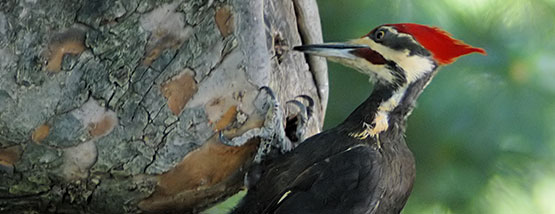
Woodpeckers can be found in a variety of settings, and identifying signs of their activity is crucial for timely intervention. Keep an eye out for these indicators:
1. Distinctive Sounds
Listen for the unmistakable tapping or drumming of woodpeckers as they peck at wood surfaces, often a sign they’re nearby or have established a nesting area.
2. Visible Damage
Look for holes or damage on wooden structures, siding, or trees around your property, which can indicate woodpecker nesting or feeding sites.
3. Droppings and Debris
Notice droppings or wood shavings beneath areas of frequent woodpecker activity, signaling their presence and potential nesting spots.
MAIN ISSUES
Why Choose Bobcat Wildlife & Pest Control


Highly recommend this group!!! Within 24 hours of my “something stinks” panic call, one of the techs, Ronnie, was at our place taking care of the animals that found their final resting place in our vents… and patched it up so we wouldn’t have this happen again. On time, efficient, and very knowledgeable!!

Thank you so much! We debated calling for a long time. When I finally did Blake came the very next day and trapped the squirrel who was the culprit of the damage. He fixed the damage too! We are so happy we finally called, wish we would have done it sooner! Thanks Blake!
Jared was super helpful, set up traps, and we are looking forward to a raccoon free attic.

What a great experience Ronnie Hayes came to our place he came to our place assessed that we had a few raccoons in our attic. He even put a trap on the roof and for them out the same day then the relocated them. For a very responsible place.

They do an amazing job with our pest control and keeping all the mosquitos at bay. I really appreciate how caring & respective Gene is towards these animals and rodents…

Bobcat Wildlife & Pest Management came to my house to deal with a serious bat problem. I have had no issues with bats since they came, and the guy who did the work on my house was thorough and took obvious pride in his work. They are knowledgeable and thorough and don’t take the easy way out. It was clear that they really cared about solving my bat issue and I highly recommend them to anyone with a bat problem.

Highly recommend using this company for any pest control needs and or wildlife issues.

Knowledgeable, careful, and insightful-I had the opportunity to meet with Nicole Spaulding from Bobcat Wildlife and Pest Management to learn more of what she does and to ask questions about their industry, fearing it affected my own (outdoor aquatic stock growth).She took the time to share with me the ins-and-outs of her industry, genuinely caring for my concerns, resolving them completely in the end.
Frequently Asked Questions About Woodpecker Removal Services in Des Moines, IA
How do I know if I have a woodpecker problem on my property in Des Moines, IA?
Common signs of a woodpecker problem include repeated pecking noises, visible holes in siding or trim, and birds frequently returning to the same area of a building.
Property owners in Des Moines often notice:
- Loud tapping or drumming sounds on walls or roofs
- Small round holes in wood surfaces
- Wood chips accumulating below damaged areas
- Woodpeckers visiting the same location repeatedly
One overlooked sign is that woodpeckers often target the same section of a structure day after day.
Bobcat Wildlife & Pest Management helps identify active woodpecker activity before damage becomes more extensive.
Why are woodpeckers pecking on my house or building?
Woodpeckers peck on buildings for different reasons. They might be looking for bugs, making nests, or making noise to show their space.
Common reasons include:
- Insects living beneath siding or wood surfaces
- Suitable nesting locations
- Territorial communication during breeding season
- Materials that amplify drumming sounds
Many people in Des Moines think woodpeckers are always searching for food. But sometimes, woodpeckers just peck on buildings to make noise.
Bobcat Wildlife & Pest Management helps determine what may be attracting woodpeckers to your property.
Are woodpeckers protected in Iowa?
Yes. Most woodpecker species are protected under federal law, which means certain removal methods and actions may be restricted.
Because of these protections:
- Active nests may require special consideration
- Removal options may vary by situation
- Timing can affect available solutions
- Prevention often becomes especially important
Many Des Moines property owners are surprised to learn that woodpecker issues must often be handled differently than other nuisance bird problems.
Bobcat Wildlife & Pest Management helps property owners understand available options and appropriate next steps.
Can woodpeckers damage siding, trim, roofs, or wooden structures?
Yes. Woodpeckers can cause noticeable damage to exterior building materials through repeated pecking activity.
Property owners may notice damage to:
- Wood siding and trim
- Fascia boards and soffits
- Cedar and composite materials
- Decorative exterior features
One unique challenge is that small holes can allow moisture to enter building materials over time.
Bobcat Wildlife & Pest Management helps identify damaged areas and evaluate the extent of the problem.
Why do woodpeckers keep coming back to the same spot?
Woodpeckers often return because the location continues providing something they want, such as food, shelter, nesting opportunities, or a suitable drumming surface.
Recurring activity commonly happens when:
- Insects remain present behind surfaces
- Previous holes are still accessible
- Nesting areas remain attractive
- The location produces strong drumming sounds
Many Des Moines property owners become frustrated when birds return after being temporarily scared away.
Bobcat Wildlife & Pest Management helps identify the underlying causes of recurring woodpecker activity and recommend long-term solutions.
What does woodpecker damage usually look like?
Woodpecker damage looks like tiny round holes or lines of marks on buildings. How it looks depends on why the woodpecker is pecking.
Property owners in Des Moines commonly notice:
- Round holes in siding or trim
- Repeated peck marks in the same area
- Wood chips on the ground below damaged surfaces
- Larger openings created for nesting cavities
One helpful clue is that fresh damage often has clean edges and recently exposed wood.
Bobcat Wildlife & Pest Management helps identify whether damage is active or from previous seasons.
Can DIY woodpecker removal cause problems?
Yes. DIY woodpecker removal can be difficult because woodpeckers are protected birds and the underlying cause of the activity may not be obvious.
Common issues include:
- Using ineffective deterrents
- Overlooking insect activity behind surfaces
- Failing to address nesting or roosting areas
- Accidentally disturbing protected birds or nests
Many Des Moines property owners try temporary scare tactics that work for only a short period of time.
Bobcat Wildlife & Pest Management helps evaluate the situation and recommend appropriate solutions.
What does professional woodpecker removal usually include?
Professional woodpecker removal typically begins with an inspection to determine why the birds are visiting the property and which areas are being affected.
Depending on the situation, the process may include:
- Evaluating active woodpecker activity
- Identifying damaged or vulnerable areas
- Assessing possible food or nesting sources
- Recommending exclusion and prevention measures
Bobcat Wildlife & Pest Management helps Des Moines property owners address both current activity and future prevention opportunities.
How can I prevent woodpeckers from returning?
Preventing woodpeckers from returning usually requires addressing the conditions that attracted them to the property in the first place.
Long-term prevention may involve:
- Limiting access to damaged areas
- Addressing insect activity when present
- Protecting vulnerable building surfaces
- Implementing appropriate deterrent measures
Property owners in Des Moines do better when they prevent problems and get help from experts to check the affected areas.
Bobcat Wildlife & Pest Management helps identify practical strategies that discourage future woodpecker activity.
When should I call Bobcat Wildlife & Pest Management for woodpecker removal?
You should consider contacting Bobcat Wildlife & Pest Management when woodpecker activity becomes repetitive, damage continues expanding, or birds repeatedly return to the same areas of the property.
Early action may help protect:
- Siding and trim materials
- Rooflines and soffits
- Decorative exterior features
- Commercial and residential structures
Many people in Des Moines ask for help when they find new holes, hear pecking noises, or see birds coming back, even after trying to fix it themselves.
A professional inspection can help find out how big the problem is and what to do about it.